10.1002/anie.201301164
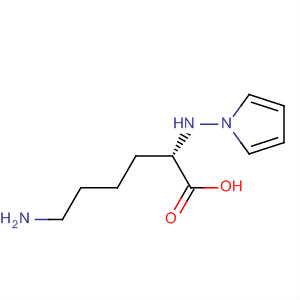
The research investigates the structure and reaction mechanism of Pyrrolysine Synthase (PylD), an enzyme involved in the biosynthesis of pyrrolysine, the 22nd genetically encoded amino acid. Pyrrolysine is synthesized from lysine through a series of reactions catalyzed by PylB, PylC, and PylD. The study focuses on PylD, expressing its gene from Methanosarcina barkeri in E. coli and purifying the recombinant protein. The researchers crystallized PylD with its substrate analogues and cofactors, including l-lysine-Ne-d-ornithine (LysNe-d-Orn, 3a) and NADH/NAD+, to elucidate its structure and mechanism. They found that PylD undergoes a significant conformational change upon substrate binding, enclosing the substrate in a hydrophobic tunnel and positioning it for dehydrogenation. The study proposes a reaction mechanism where PylD acts as an R-type dehydrogenase, facilitating the formation of a pyrroline ring without the need for a base to abstract a proton. The research provides insights into the unique structure and function of PylD and opens new avenues for biotechnological applications involving pyrrolysine derivatives.