10.1016/j.tet.2006.03.032
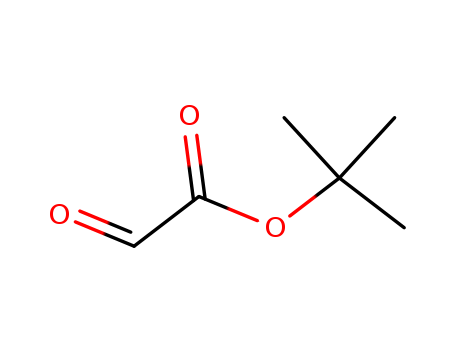
The research focuses on the enantioselective allylation of aldehydes using chiral (salen)chromium(III) complexes as catalysts. The purpose of the study was to develop a novel and efficient method for the asymmetric allylation of aldehydes, a significant process in organic synthesis. The researchers investigated the reaction of allylstannanes with glyoxylates, glyoxals, and simple aromatic and aliphatic aldehydes, catalyzed by chiral (salen)Cr(III) complexes. They found that the reaction proceeded smoothly for reactive 2-oxoaldehydes and allyltributyltin in the presence of small amounts of (salen)Cr(III)BF4 under mild conditions. However, for other simple aldehydes, high-pressure conditions were required to obtain good yields. The classic chromium catalyst, easily prepared from commercially available chloride complex, afforded homoallylic alcohols usually in good yield and with enantiomeric purity of 50–79% ee. The study concluded that the developed method is reproducible, not very sensitive to external factors such as oxygen or moisture, and requires only 1–2 mol % of the catalyst. The chemicals used in the process included various metallosalen complexes, allyltributyltin, and different aldehydes such as n-butyl glyoxylate, iso-propyl glyoxylate, and tert-butyl glyoxylate, among others.