10.1016/j.tet.2010.02.021
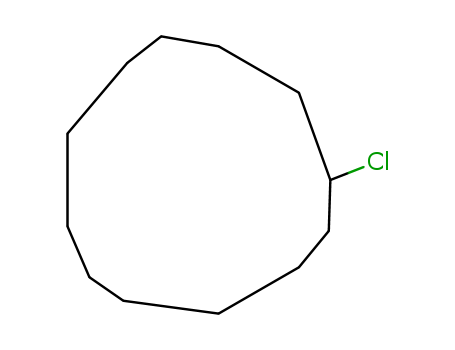
The research investigates the chlorination of various substrates, including aliphatic hydrocarbons and the side chains of aromatic hydrocarbons, under subcritical carbon tetrachloride (CCl4) conditions. The study explores the reactions of different compounds such as adamantane, chlorocyclododecane, and various aromatic hydrocarbons, including 1,4-disubstituted benzenes. The chlorination process involves the generation of chloro radicals from the C–Cl bond cleavage of carbon tetrachloride under high-temperature conditions. The study also examines the stability and transformation of other compounds like ketones, sulfones, sulfoxides, and ole?ns under these conditions. The results show that while ketones and sulfones remain stable, sulfoxides are converted into sul?des, and ole?ns form coupling adducts with carbon tetrachloride. The research highlights the unique reactivity of subcritical carbon tetrachloride in facilitating these chlorination reactions and provides insights into the potential applications and mechanisms involved in this process.