10.1021/ol0708020
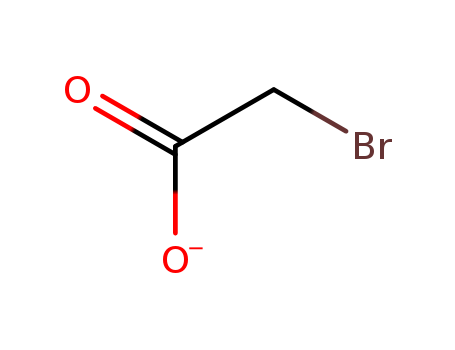
The research presents a stereoselective method for synthesizing 4,5-disubstituted imidazolidinones-2-ones from R-amino acids, utilizing a zinc-mediated homologation process involving the Blaise reaction and subsequent reduction. The key reactants include R-amino acids, bromoacetate, and various reducing agents such as sodium cyanoborohydride and sodium in liquid ammonia. The experiments involved the preparation of N-protected R-aminonitriles, their reaction with tert-butyl bromoacetate in the presence of zinc to form enaminoesters, and then reduction to obtain imidazolidinones. The analyses used to determine the success and stereochemistry of the reactions included HPLC, X-ray crystallography, and NMR spectroscopy. The study achieved complete stereoselectivity in the reduction step and provided a route to valuable 1,2-diamine building blocks, which are significant in organic synthesis and biological applications.
10.1021/ol006172i
This research focuses on the diastereoselective synthesis of 3,4-dimethoxy-7-morphinanone, a compound that could potentially serve as an intermediate in the synthesis of morphine. The study aims to develop an efficient method for introducing the C14 stereogenic center and constructing the C9-C10 bridge of the morphinan system, which are crucial for the enantiocontrolled synthesis of morphine. The researchers successfully resolved racemic 2-(2,3-dimethoxyphenyl)cyclohexen-1-ol into its enantiomers and transformed it into the desired 3,4-dimethoxy-7-morphinanone through a series of reactions involving vinyl acetate, ethyl vinyl ether, N-bromosuccinimide (NBS), peracids, Lewis acids, and other reagents.