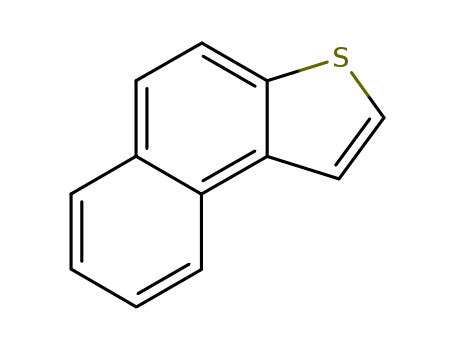
10.1021/jo062397g
The research focuses on the development and examination of two amino-protecting groups, R-Nsmoc and -Nsmoc, as substitutes for the Bsmoc residue in peptide synthesis. The purpose of this study was to address the issue of certain Bsmoc amino acids leading to oily protected amino acids or amino acid fluorides that are difficult to handle. The researchers synthesized R- and -Nsmoc derivatives of all proteinogenic amino acids and evaluated their deblocking reactivity, which was found to follow the order R-Nsmoc > Bsmoc > -Nsmoc. The study concluded that the R-Nsmoc system offers milder conditions for deblocking compared to the Bsmoc system, making it a more favorable alternative. The research also highlighted that the R-Nsmoc amino acids could be potential substitutes for Bsmoc amino acids that are not available in solid form, due to their greater availability and similar deblocking sensitivity. The chemicals used in this process included various amino acids, naphthothiophene sulfone-based derivatives, reagents for peptide synthesis such as N-HATU and DCC, and solvents like DCM, DMF, and THF. The study also involved the use of 1H NMR experiments to understand the deblocking mechanisms and the relative reactivities of the protecting groups.