10.1002/jhet.1533
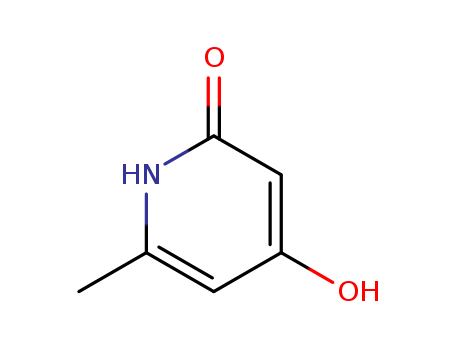
The study, titled "Synthesis of New Azocompounds and Fused Pyrazolo[5,1-c][1,2,4]triazines Using Heterocyclic Components," investigates the synthesis of new azocompounds and tricyclic pyrazolo[5,1-c][1,2,4]triazines using various heterocyclic components. The key chemical involved is 3-methyl-4-phenyl-1H-pyrazol-5-amine, which is diazotized to form pyrazole-3(5)-diazonium chloride. This diazonium salt undergoes azocoupling reactions with a variety of heterocyclic compounds, including barbituric acid, thiobarbituric acid, 2-hetarylpyrimidine-4,6-diones, 4-hydroxy-6-methylpyridin-2(1H)-one, 4-hydroxy-6-methyl-2H-pyran-2-one, 4-hydroxy-1-p-tolyl-1H-pyrazole-3-carboxylic acid ethyl ester, 1,3-thiazolidine-2,4-dione, and 2-thioxo-1,3-thiazolidin-4-one. These reactions yield new pyrazolylazo derivatives and fused pyrazolo[5,1-c][1,2,4]triazines through subsequent heterocyclization processes. The study explores the synthetic potential of these heterocyclic components in azocoupling reactions, highlighting their potential applications in industrial azo dyes, analytical indicators, and bioactive compounds related to purines.


 Xi
Xi


