10.1021/jm0401098
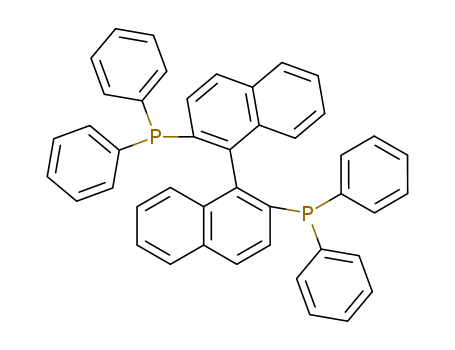
The research focuses on the development of pyrroloquinolone PDE5 inhibitors with enhanced pharmaceutical properties for the treatment of erectile dysfunction (ED). The team at Johnson & Johnson Pharmaceutical Research and Development designed a series of analogues to address the low aqueous solubility and poor oral bioavailability of initial lead compounds. They employed two main strategies: increasing overall basicity and reducing molecular weight. The synthesis involved reactions such as Winterfeldt oxidation of α-carboline precursors and coupling reactions with pyrroloquinolone precursors. Various reactants, including chloropyrimidines, bromopyridines, and stannanylpyridines, were used in conjunction with catalysts like Pd(OAc)2 and BINAP for cross-coupling reactions. The synthesized compounds were analyzed for their potency against PDE5, selectivity against other PDE isozymes, oral bioavailability in rats, dogs, and monkeys, and their ability to elevate intracellular cGMP levels in RFL-6 cells. The in vivo efficacy was also evaluated in canine models. The study successfully identified lead compounds, such as 11e and 11l, which showed improved bioavailability and efficacy, marking significant progress towards clinical candidates for ED treatment.
10.1016/j.tet.2008.06.104
The study focuses on the preparation of pyridinyl aryl methanol derivatives through enantioselective hydrogenation of ketones, utilizing chiral Ru(diphosphine)(diamine) complexes as catalysts. The primary aim is to achieve high yields and enantioselectivities in the conversion of prochiral ketones into optically active secondary alcohols, which are significant in pharmaceuticals and agrochemicals. Key chemicals involved include a series of pyridinyl aryl ketones, chiral diphosphines (such as BINAP, XylBINAP, and p-TolBINAP), and diamine DAIPEN. These chemicals serve as substrates and catalysts to facilitate the asymmetric hydrogenation process, with the goal of determining the absolute configuration of the resulting chiral alcohols using 1H NMR spectroscopy and Mosher's reagent. The study also explores the influence of the structure of the chiral diphosphine on the enantioselectivity of the reaction.


 Xi
Xi


