10.1016/j.bmc.2008.12.067
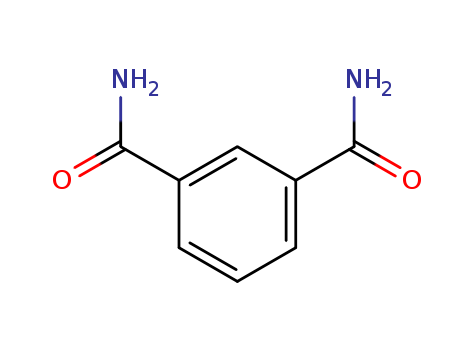
The research focuses on the design, synthesis, and biological evaluation of novel dual inhibitors targeting acetylcholinesterase (AChE) and b-secretase (BACE-1) for the treatment of Alzheimer's disease (AD). The study is grounded in the multi-target-directed ligands strategy, aiming to develop compounds that can simultaneously inhibit both AChE and BACE-1, which are implicated in the pathogenesis of AD. A series of dual inhibitors designed and synthesized in the study, with compounds 9–14, 16–24, 26–38 being the focus. These compounds incorporate various pharmacophores and isosteres such as HE, HMC, and HEA, combined with isophthalamide moieties and N-benzylpiperidine groups. The research involves the synthesis of a series of compounds, among which inhibitor 28 demonstrated potent dual inhibitory effects with IC50 values of 0.567 μM for BACE-1 and 1.83 μM for AChE. This compound also showed significant reduction in Ab production in APP transfected HEK293 cells and provided protection against H2O2-induced PC12 cell injury. The in vivo efficacy of compound 28 was further validated in APP transgenic mice, where it led to a 29% reduction in Ab1–40 production. The experiments utilized various assays, including enzyme-based assays for AChE and BACE-1, cellular Ab lowering assays in HEK293 cells, cell protective tests in PC12 cells, and animal-based experiments involving APP transgenic mice. The study employed techniques such as NMR spectroscopy, LC-MS, and HRMS for compound characterization and Autodock for molecular docking studies to elucidate the binding modes of the inhibitors with their targets.
10.1002/ejoc.201001684
The research study on the host-guest complex formation between barbital and various acylaminopyridyl isophthalamides, also known as Hamilton receptors, with the aim of quantitatively determining the binding constants of these hydrogen-bonded complexes. The study involves the synthesis of nine different isophthalamides, which differ in their substitution patterns on the central isophthalic unit and the nature of the acyl residues. The researchers utilized techniques such as 1H NMR titrations monitoring chemically induced shifts (CIS), 1H NMR diffusion experiments, and isothermal titration calorimetry (ITC) to determine the association constants (Kass) of the complexes in chloroform at 298 K, which ranged between 33×10^3 and 100×10^3 M–1.