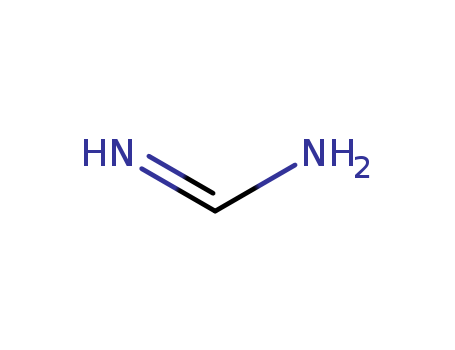
10.1021/om1003607
The research aims to develop a modular synthetic route for a new type of anionic N-heterocyclic carbene (NHC) ligand incorporating an enolate group as a reactive backbone component. This design allows for further tailoring of the ligand's electronic properties even after complexation with transition metals. The study uses key chemicals such as formamidines (Ar-NH-CHdNAr), chloroacetyl chloride, and various electrophiles like pivaloyl chloride, methyl triflate, and triflic anhydride. The researchers also employ transition metals like rhodium and copper in the form of [RhCl(1,5-COD)]2 and CuCl. The purpose is to create NHC ligands with tunable electronic properties through post-functionalization, which can be applied in catalysis. The conclusions show that the electronic properties of the NHC ligands can be effectively modulated over a relatively broad range by adding various electrophiles to the enolate backbone, either at the oxygen or carbon. This provides a versatile method for optimizing catalyst performance in transition metal complex catalyzed reactions.