10.1021/jm00388a017
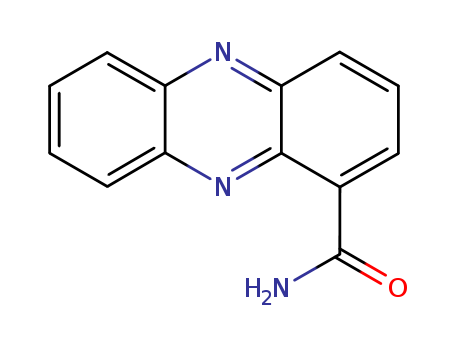
The research investigates the synthesis and antitumor activity of substituted phenazine-1-carboxamides as potential antitumor agents. The study aims to explore the structure-activity relationships (SAR) of these compounds and identify derivatives with enhanced antitumor properties. The researchers synthesized a series of N-[2-(dimethylamino)ethyl]phenazine-1-carboxamides with various substituents (such as methyl, methoxy, and chloro groups) at different positions on the phenazine ring. Key chemicals used in the synthesis include phenazine-1-carboxylic acids, N-[2-(dimethylamino)ethyl]amine, and coupling agents like 1,1'-carbonyldiimidazole or thionyl chloride. The study found that the cytotoxicity of the phenazine-1-carboxamides correlates positively with the electron-withdrawing power of the substituent groups, with 9-substituted compounds showing the most activity. The most active compound identified was the 9-methoxy derivative, which demonstrated significant antitumor activity against Lewis lung carcinoma in mice, comparable to the best DNA-intercalating agents described to date. The research concludes that the phenazine-1-carboxamide series holds promise for further development as antitumor drugs, with clear guidelines provided for future work based on the observed SAR.