10.1055/s-0039-1690901
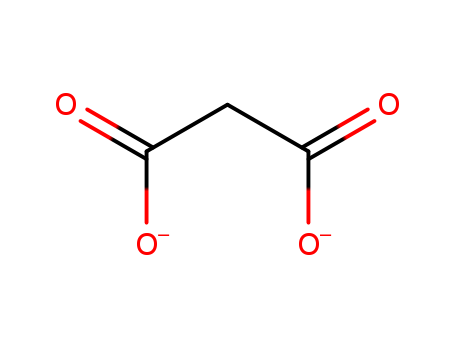
The research focuses on the synthesis and application of chiral P,O-olefin ligands with rotamers for palladium-catalyzed asymmetric allylic substitution reactions. The purpose of this study was to develop a series of phosphine-olefin-type chiral aminophosphines that exist as two rotamers at the C(aryl)-N(amine) bond and to investigate their efficacy as chiral ligands in Pd-catalyzed asymmetric allylic substitution reactions, such as the alkylation of allylic acetates with malonates or indoles. The researchers synthesized a series of chiral aminophosphines, denoted as (S)-6, and confirmed their existence as two rotamers through NMR analysis. The ligands were then tested in Pd-catalyzed reactions, yielding high enantioselectivities, with up to 98% ee achieved. The research concluded that these chiral aminophosphines, particularly (S)-6d and (S)-6a, were effective chiral ligands for the Pd-catalyzed asymmetric allylic alkylation of malonates and indoles, respectively. Key chemicals used in the process included various aminophosphines (S)-6, palladium catalysts, allylic acetates, malonates, indoles, and solvents such as toluene, THF, and (trifluoromethyl)benzene. The research also optimized reaction conditions, including the choice of base and solvent, to achieve the best enantioselectivity.
10.1016/0040-4020(82)85032-1
The research investigates the arylation and heteroarylation of β-dicarbonyl compounds through a photostimulated SRN1 reaction. The purpose of the study is to explore new synthetic methods for heterocyclic compounds by extending the scope of the SRN1 reaction, which is known for its efficiency in arylation of monoketones but was previously thought not to occur between aryl halides and monoanions of β-dicarbonyl compounds. The researchers discovered that the presence of a cyano electron-withdrawing group allows high-yield SRN1 reactions to occur with β-dicarbonyl derived monoanions. Key chemicals used in the research include bromobenzonitriles, bromocyanopyridine, and various β-dicarbonyl compounds such as malonates, ethyl-cyanoacetate, and 2,4-pentanedione. The study concludes that the SRN1 reaction mechanism is supported by experimental observations, including the necessity of photostimulation and the influence of the cyano group's strong withdrawing effect on the reactivity. The research demonstrates that the SRN1 reaction can be efficiently applied to introduce aryl groups onto β-dicarbonyl compounds, offering a versatile and high-yield synthetic method for a variety of heterocyclic compounds.


 Xn:Harmful;


