10.1016/j.tet.2005.09.005
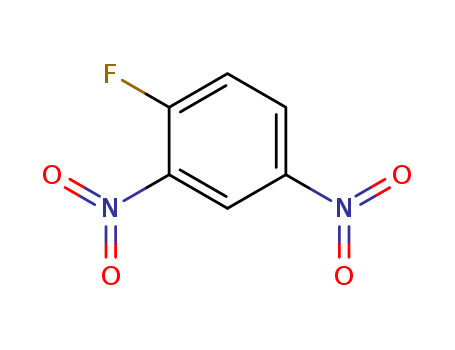
The study focuses on the synthetic methodologies for the preparation of tri- and tetra-aryl diketopyrrolopyrrole (DPP) pigments and their derivatives. The researchers investigated various novel synthetic approaches, including direct arylation, acylation, and cyclization reactions, to synthesize DPPs with different aryl substitutions. Key chemicals used in the study include 3,6-diphenyl-DPP, 1-fluoro-2,4-dinitrobenzene, N-arylbenzimidoyl chlorides, ethyl 2-aryl-4,5-dihydro-5-oxopyrrole-3-carboxylates, and benzonitrile. These chemicals served as starting materials, reagents, or intermediates in the synthesis of the target DPP pigments, which are known for their color strength, brightness, and low solubility in most solvents, making them useful as red pigments in commercial applications. The study aimed to develop new routes to synthesize DPPs with diverse N- and C-aryl substituents, which could potentially exhibit different properties and applications.
10.1039/C3976000503a
The study presents a novel method for converting oximes into thio-oximes. The researchers used sodium t-butoxide to generate the thio-oximate anion from benzophenone oxime. This process involved several steps: first, benzophenone oxime was reacted with phenyl isothiocyanate in dimethylformamide (DMF) to form an intermediate oxime thiocarbamate (I). This intermediate was then rearranged to form N-diphenylmethylene-O-phenylthiocarbamoylhydroxylamine (II) under specific conditions, such as stirring in hexane under sunlight or allowing the solid form to remain at room temperature. The final step involved treating compound (II) with sodium t-butoxide in DMF to produce the thio-oximate anion, which was then reacted with 2,4-dinitrofluorobenzene to yield N-(2,4-dinitrophenylthio)diphenylmethyleneamine. The study highlights the synthesis and characterization of these compounds, providing a detailed pathway for the conversion of oximes to thio-oximes, with significant yields and detailed spectral and elemental analysis for product identification.


 C,
C, T
T



