10.1002/chem.201101266
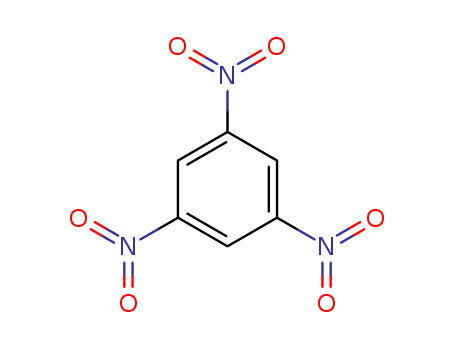
The study presents the design, synthesis, and characterization of a tetrathiafulvalene-calix[4]pyrrole receptor, which can be controlled by external acid/base inputs to regulate its molecular recognition of guest molecules. The receptor, named ouroboros due to its self-complexation property, is composed of three identical tetrathiafulvalene (TTF) units and a fourth TTF unit appended with a phenol moiety. The phenol group allows for the receptor to switch between a locked (ouroboros) and unlocked state through deprotonation/protonation, thereby controlling the binding and release of guest molecules like 1,3,5-trinitrobenzene (TNB). The chemicals used in the study include tetrathiafulvalene derivatives, phenol, and various reagents for synthesis such as CsOH·H2O, 4-(3-bromopropyl)phenol, NaOMe, and tetrabutylammonium chloride (TBACl). These chemicals served the purpose of constructing and modifying the receptor molecule, as well as studying its interactions with TNB guests through absorption and 1H NMR spectroscopy, which revealed the receptor's ability to switch conformations and control guest binding based on pH changes.
10.1021/j100368a035
The study investigates the photochemical decomposition of 1,3,5-trinitrobenzene (TNB) in toluene at 200 K using electron spin resonance (ESR) spectroscopy. TNB serves as the primary reactant, while toluene acts as a solvent and a source of benzyl radicals. The researchers also used deuterated analogues of TNB and toluene to simplify the ESR spectra and aid in the identification of radicals. The study identifies primary radicals, such as 3,5-dinitrophenyl benzyloxy nitroxide, and secondary radicals, like 3,5-dinitrophenyl benzyl nitroxide, formed during the decomposition process. The results provide insights into the reaction mechanism and the characteristics of the radicals involved, including their relative stabilities and temperature-dependent behavior.