10.1021/jo801187z
The research focuses on the functionalization of the methylene bridges of the calix[6]arene scaffold, aiming to develop a versatile method for the introduction of substituents at all of the methylene groups of the calix[6]arene framework. The study successfully replaced bromine atoms of the hexabromo calixarene derivative with various nucleophiles under SN1 conditions, yielding calix[6]arene derivatives with identical functionalities at all bridges. Key chemicals used in the process include primary and secondary alcohols, hexafluoroisopropanol (HFIP), hexafluoroacetone, sodium azide, aniline, acetic acid, and 2,4-pentanedione. The reactions proceeded with high diastereoselectivity, predominantly yielding the rc5 (all-cis) form, and the resulting calix[6]arene derivatives exhibited a "pinched cone" conformation with 3-fold symmetry. The introduction of substituents at the bridges was found to rigidify the calix[6]arene scaffold, which could be beneficial for preorganization in various applications. The study concluded that a wide array of nucleophiles could be used for this functionalization, and the reactions were generally cleaner compared to those involving tetrabromo derivatives, with fewer side reactions observed.
10.1021/acs.joc.7b03098
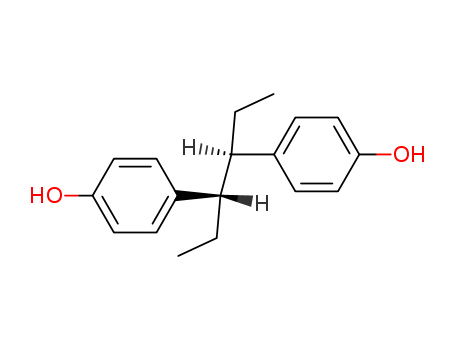
The research explores the development of novel palladium-catalyzed redox-relay Heck arylation reactions. The study focuses on the use of trisubstituted allylic alkenols and their silyl and methyl ether derivatives to form α,β-disubstituted methyl ketones containing two contiguous stereocenters. Key chemicals involved in the research include various trisubstituted alkenols (such as (E)-3-methylhex-3-en-2-ol), silyl ethers (like tert-butyldimethyl((3-methylhex-3-en-2-yl)oxy)silane), and methyl ethers (such as (E)-2-methoxy-3-methylhex-3-ene). Arenediazonium salts, such as 4-chlorobenzenediazonium tetrafluoroborate, also play a crucial role as electrophiles in the Heck-Matsuda reaction. The reactions are catalyzed by palladium complexes like Pd(TFA)2 and proceed under mild conditions in methanol, yielding products with excellent anti diastereoselectivity. The study demonstrates that the presence of a free hydroxyl group is not essential for an effective redox-relay process, as silyl and methyl ethers can also undergo late oxidation. This method was successfully applied in the total synthesis of meso-hexestrol, showcasing its potential for constructing complex organic structures.


 T
T


