10.1002/anie.200902691
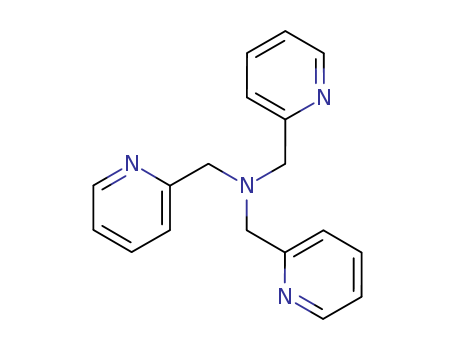
The research investigates the activation of dioxygen (O2) by a mononuclear copper(I) center in the solid state, aiming to understand how a single copper center can facilitate the oxygenation of organic compounds at room temperature. The study uses calix[6]arene-based ligands capped with tris(2-pyridylmethyl)amine (tmpa) to create copper(I) complexes. Two complexes were synthesized: one from a reaction of calix[6]tmpa with [Cu(MeCN)4]PF6 in a THF/CH2Cl2 mixture, and the other from CuOTf with the ligand in toluene. The researchers discovered that while these complexes were unreactive towards O2 in solution, they underwent structural changes in the solid state, leading to the oxygenation of the ligand's methylene groups. The study concludes that a mononuclear copper(I) center can activate O2 to break C—H bonds in the solid state, resulting in a chemoselective four-electron oxidation process that forms a C=O bond. This finding is significant as it demonstrates a metal-centered oxidation process without the need for a redox cofactor, suggesting potential applications in catalytic organic oxidation reactions.
10.1021/ic001339p
The research focuses on the synthesis and characterization of chloroferric complexes derived from monosubstituted derivatives of the tris(2-pyridylmethyl)amine (TPA) ligand, specifically those substituted with a bulky bromine atom or a methoxyphenyl ring. The study aims to understand how the introduction of functional groups affects the structure and reactivity of iron complexes. The reactants used in the experiments include anhydrous FeCl3 and TPA derivatives, which upon reaction, yield yellow-orange complexes that are stable in air and solution. The complexes were analyzed using UV-vis and 1H NMR spectroscopy, and their crystal structures were determined through X-ray diffraction analysis. The results indicate that the substitution leads to tridentate coordination, with the substituted pyridine arm remaining uncoordinated and potentially reactive. The complexes exhibit high spin states and are stable, suggesting potential for further synthetic applications.


 Xn
Xn


