


Relevant articles and documents
Protective Effect of a Novel (2S, 3R, 4S)-Chromene-3-Carboxamide Derivative, Z20 Against Sepsis-Induced Organ Injury
Chen, Peng Li, Na Niu, Mengwei Wang, Yong Wang, Yuhang Zeng, Liyan
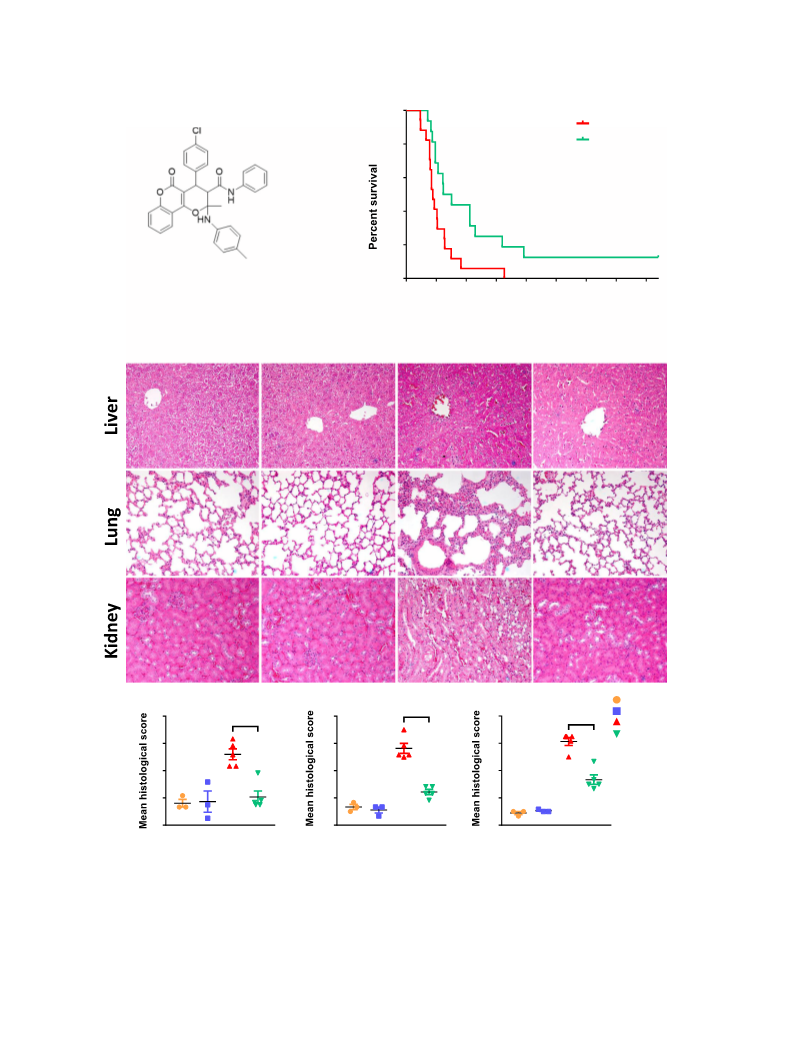
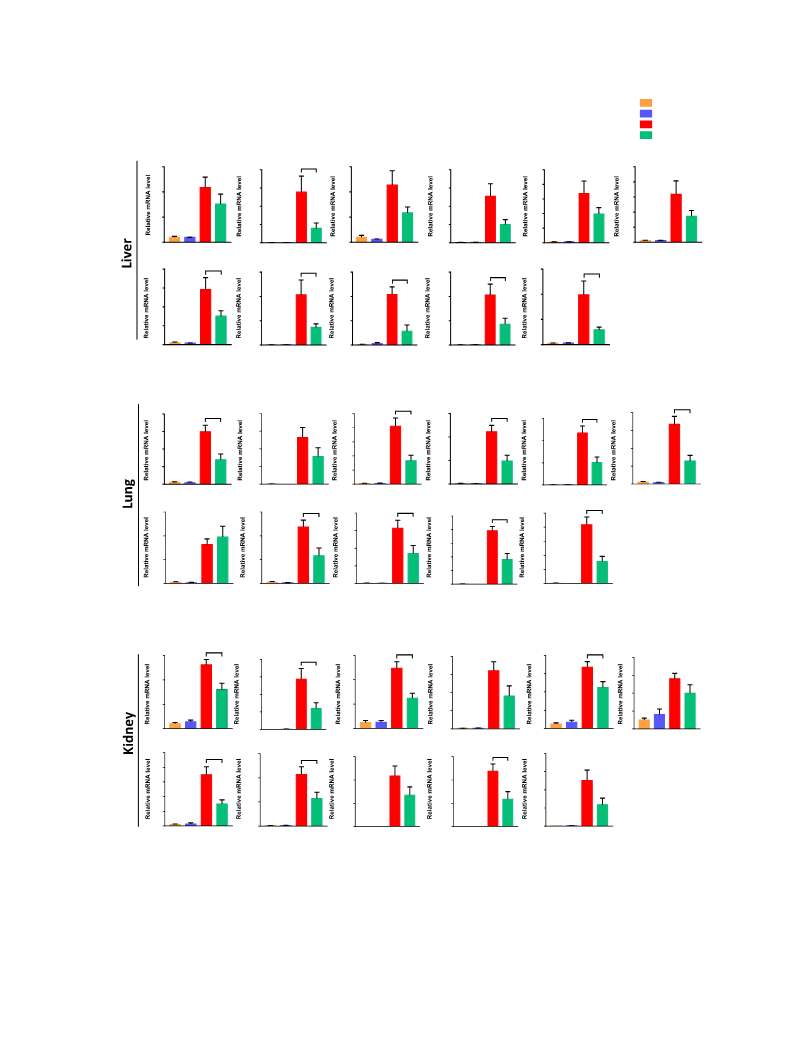
Sepsis, a systemic inflammatory response mediated by excessive production of diverse inflammatory cytokines, remains the vital cause of morality in the intensive care unit (ICU). TLR4-MD2 (toll-like receptor 4-myeloid differentiation factor 2) complex activated by LPS serves as an effective target to decrease the inflammation during sepsis. In this study, we evaluated the effects of a new small molecule Z20 structural based on (2S, 3R, 4S)-chromene-3-carboxamide on LPS-induced sepsis in mice. We found Z20 markedly improved the survival rate and attenuated the multiply organs injury after LPS administration?in mice. In addition, Z20 significantly alleviated organ inflammation as characterized by diminished inflammatory factors expression in vivo. Furthermore, by employing surface plasmon resonance (SPR) experiment, we identified that TLR4-MD2 complex?was the potential target for Z20. Finally, we performed the safety assessment experiment to confirm the safety of Z20 in vivo. In conclusion, Z20, as a potential TLR4-MD2 inhibitor, effectively attenuated LPS-induced organ injury and inflammation.

Phenothiazine and amide-ornamented dihydropyridines: Via a molecular hybridization approach: Design, synthesis, biological evaluation and molecular docking studies
Sivaramakarthikeyan, Ramar Iniyaval, Shunmugam Padmavathy, Krishnaraj Liew, Hui-Shan Looi, Chin-King Mai, Chun-Wai Ramalingan, Chennan
A series of novel phenothiazinyldihydropyridine dicarboxamides 7a-7j was synthesized by adopting a multi-step synthetic strategy and characterized through physical and spectral techniques. Among them, the chemical entities with para-fluoro (7d), ortho-bromo and-fluoro (7f and 7i), ortho- A nd para-methyl (7e) and meta- A nd para-methoxy (7h) substituents exhibited either similar or superior anti-inflammatory activities with respect to the standard drug diclofenac sodium. Besides, the chemical entities with ortho-bromo and-fluoro substituents as well as meta-nitro substituents (7f, 7g and 7i) showed enhanced radical scavenging activities when compared to standard ascorbic acid. Furthermore, anticancer studies revealed that the meta- A nd para-chloro-substituted molecule 7a exerted the best activity against all the pancreatic cancer cells tested. Also, appreciable binding affinity (-8.10 kcal mol-1) was observed during molecular docking between B-cell lymphoma 2 and 7a. The structural diversifications of the potent chemical entities besides further exploration in connection with the biological profiles of the same are underway.