
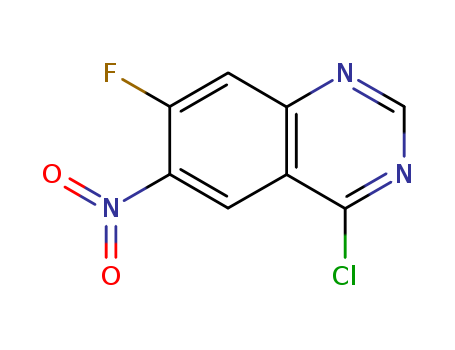

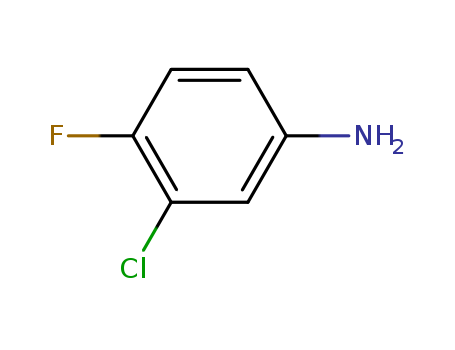

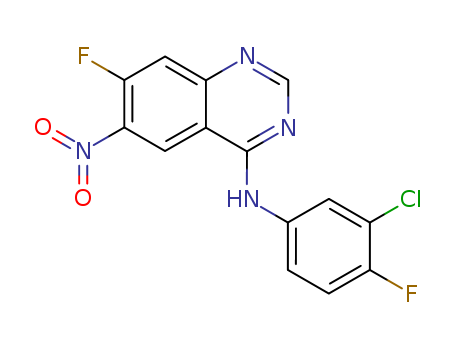


Relevant articles and documents
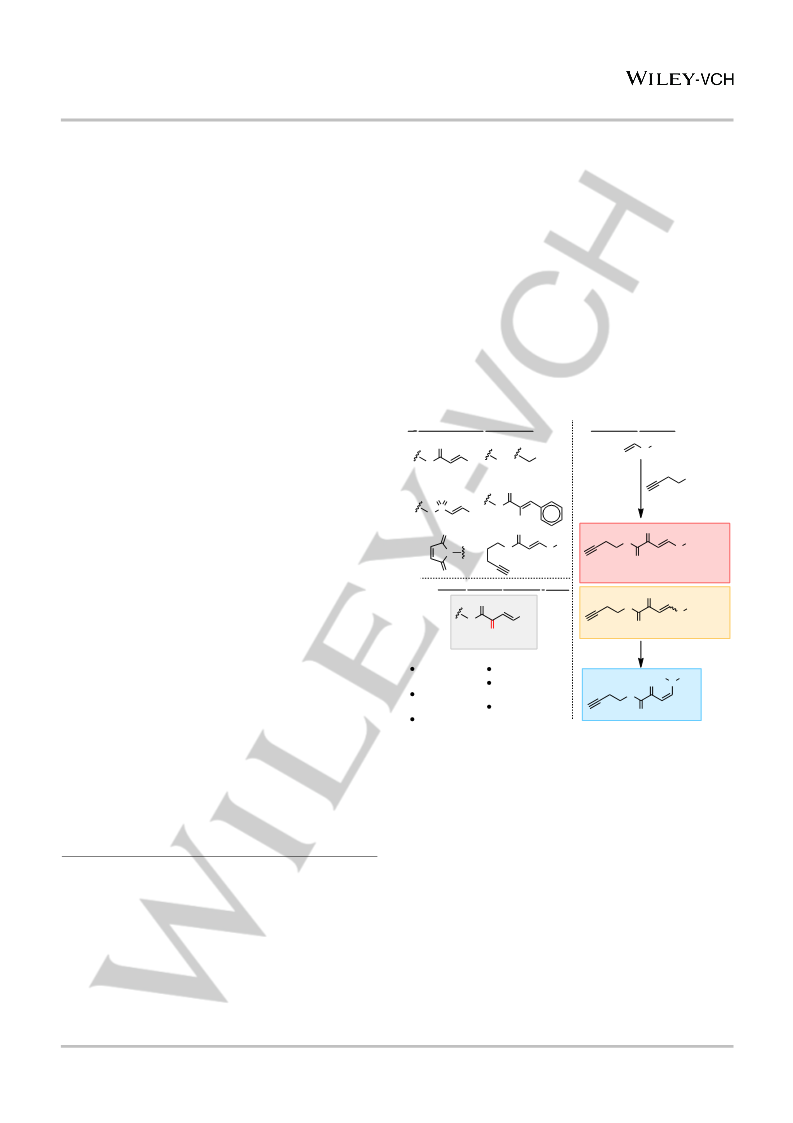
STEFs: Activated Vinylogous Protein-Reactive Electrophiles
Hansen, Bente K. Loveridge, Christopher J. Thyssen, Stine W?rmer, Gustav J. Nielsen, Andreas D. Palmfeldt, Johan Johannsen, Mogens Poulsen, Thomas B.
Reported here is the synthesis of a class of semi-oxamide vinylogous thioesters, designated STEFs, and the use of these agents as new electrophilic warheads. This work includes preparation of simple probes that contain this reactive motif as well as its installation on a more complex kinase inhibitor scaffold. A key aspect of STEFs is their reactivity towards both thiol and amine groups. Shown here is that amine conjugations in peptidic and proteinogenic samples can be facilitated by initial, fast conjugation to proximal thiol residues. Evidence that both the selectivity and the reactivity can be tuned by the structure of STEFs is provided, and given the unique ability of this functionality to conjugate by an addition-elimination mechanism, STEFs are electrophilic warheads that could find broad use in chemical biology.


Design, synthesis, and docking studies of quinazoline analogues bearing aryl semicarbazone scaffolds as potent EGFR inhibitors
Tu, Yuanbiao Wang, Caolin Xu, Shan Lan, Zhou Li, Wei Han, Jiaqian Zhou, Yuanzhang Zheng, Pengwu Zhu, Wufu
Two series of quinazoline derivatives bearing aryl semicarbazone scaffolds (9a–o and 10a–o) were designed, synthesized and evaluated for the IC50 values against four cancer cell lines (A549, HepG2, MCF-7 and PC-3). The selected compound 9o was further evaluated for the inhibitory activity against EGFR kinases. Four of the compounds showed excellent cytotoxicity activity and selectivity with the IC50 values in single-digit μM to nanomole range. Two of them are equal to more active than positive control afatinib against one or more cell lines. The most promising compound 9o showed the best activity against A549, HepG2, MCF-7 and PC-3 cancer cell lines and EGFR kinase, with the IC50 values of 1.32?±?0.38?μM, 0.07?±?0.01?μM, 0.91?±?0.29?μM and 4.89?±?0.69?μM, which were equal to more active than afatinib (1.40?±?0.83?μM, 1.33?±?1.28?μM, 2.63?±?1.06?μM and 3.96?±?0.59?μM), respectively. Activity of the most promising compound 9o (IC50 56?nM) against EGFR kinase was slightly lower to the positive compound afatinib (IC50 1.6?nM) but more active than reference staurosporine (IC50 238?nM). The result of flow cytometry, with the dose of compound 9o increasing, which indicated the compound 9o could induce remarkable apoptosis of A549 and cells in a dose dependent manner. Structure–activity relationships (SARs) and docking studies indicated that replacement of the cinnamamide group by aryl semicarbazone scaffolds slightly decreased the anti-tumor activity. The results suggested that hydroxy substitution at C-4 had a significant impact on the activity and replacement of the tetrahydrofuran group by methyl moiety was not beneficial for the activity.


 South Africa | Contact:AAron Thomas
 India | Contact:BASR
 Germany | Contact:Klaus F. Meyer
 United States | Contact:sir
 United Kingdom | Contact:Chordip