




Relevant articles and documents
Ionic liquid-type crown ether as a novel medium for a liquid/liquid extraction of radioactive metal ion85Sr2+
Sang, Hyun Park Dorjnamjin, Demberelnyamba Seung, Ho Jang Myung, Woo Byun
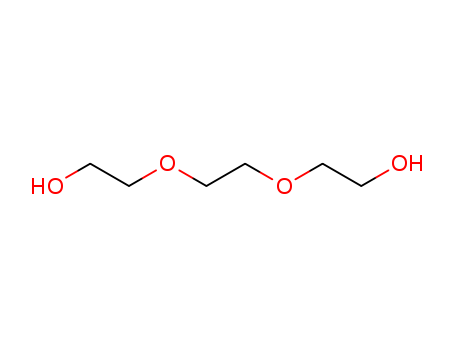
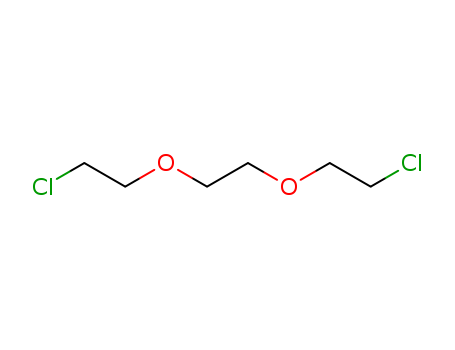
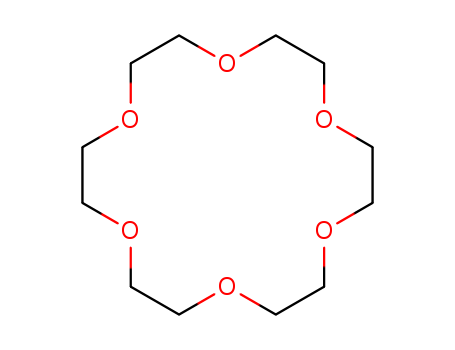
1,13-Dichloro-4,7,10-trioxatridecane (2-[2-(1-chloro-2-ethoxy)ethoxy]ethyl chloride) (3a) was synthesized by a chlorination of 1,13-dihydroxy-4,7,10- trioxatridecane (triethylene glycol). And it was treated with imidazole and sodium ethoxide to give the 1N,1N′(oxoethylene)-diimidazole (3b), which was then converted to ionic liquid-type crown ether (ILCE) 3 with a reaction with 1,9-dichloro-3,6-trioxaoctane (2a). Further, the anion of ILCE was exchanged by an anion-exchange method. Ultimately, we developed a very efficient synthetic pathway for ILCEs 1-4 which have various physical and chemical characteristics by a modification of the polyethylene glycol chain length and anions. 85Sr2+ was successfully extracted into the [(3,2)OEtIm][Cl] (3) phase, but it was not extracted into the [(2,2)OEtIm][Cl] (1), [(3,3)OEtIm][Cl] (2), and [(4,3)OEtIm][Cl] (4) phases. Copyright


Synthesis and hydrolysis behavior of side-chain functionalized norbornenes
Carlise, Joseph R. Kriegel, Robert M. Rees Jr., William S. Weck, Marcus
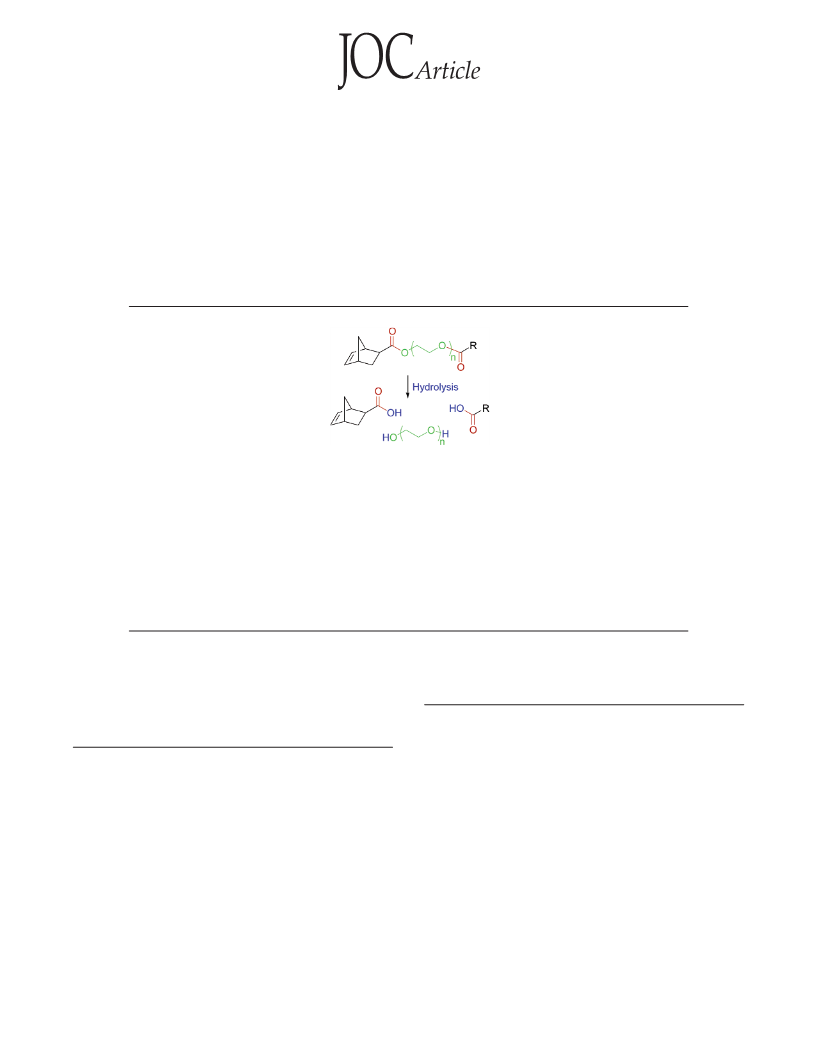
The stabilities of various functionalized norbornenes that are monomers for the ring-opening metathesis polymerization (ROMP) in aqueous solution were evaluated toward hydrolysis under a range of temperatures (37, 60, and 80 °C) and pH values (3-9). All monomers contain hydrolyzable linkages to pendant functional groups, and conclusions were drawn relating to how the chemical diversity of these pendant functional groups, in accordance with the pH and temperature variations, affect hydrolysis of the aforementioned linkages. The hydrolysis was monitored by reverse phase HPLC analysis, and/or NMR spectroscopy. As expected, monomers containing ester linkages were fairly labile at higher pH values, while acetal-based linkers were cleaved at lower pH values. β-Amino ester groups experienced a significant increase in hydrolysis rate, while carboxylic acid-containing monomers did not follow any clear trend. Saccharide-containing monomers exhibited unique behaviors for various pH values and temperature ranges.


 Other Country | Contact:Dave Lim
 Uruguay | Contact:sir
 United Arab Emirates | Contact:sir
 Thailand | Contact:Sir
 Syrian Arab Republic | Contact:Muhannad Kashkash
 Switzerland | Contact:sir