


Relevant articles and documents
Study on Gas-phase mechanism of chloroacetic acid synthesis by catalysis and chlorination of acetic acid
Xue, Jian-Wei Zhang, Jian-Peng Wu, Bo Li, Fu-Xiang Lv, Zhi-Ping
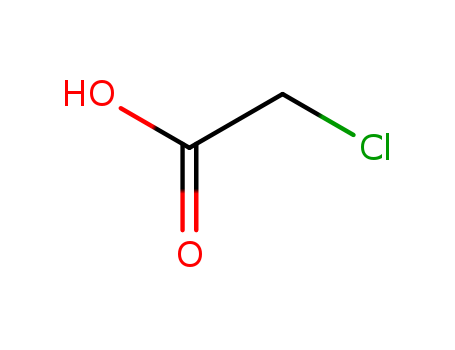
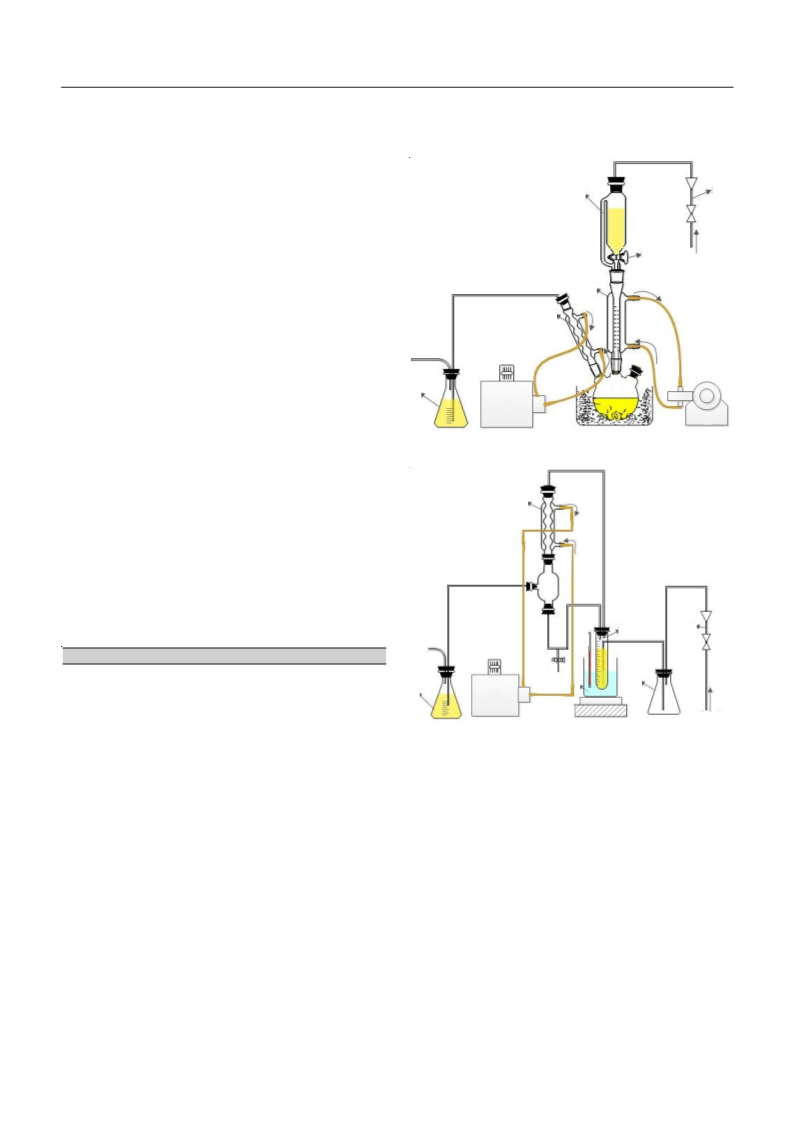
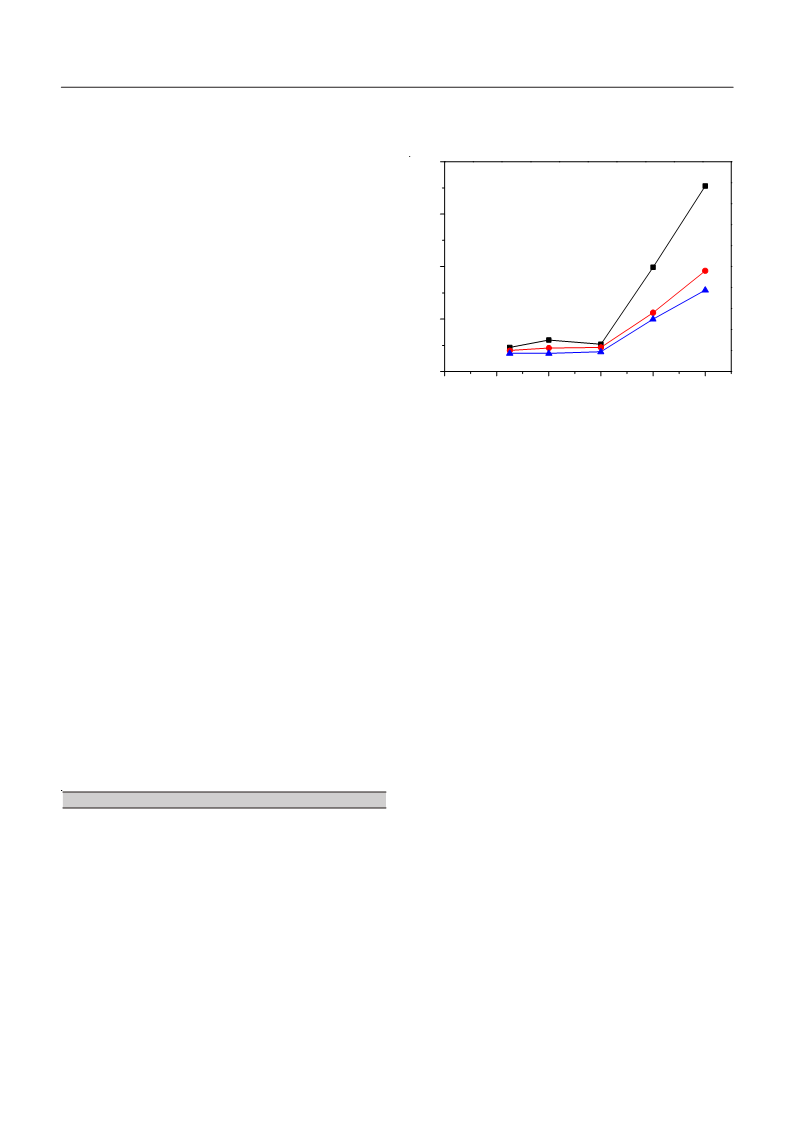
The process of acetic acid catalysis and chlorination for synthesizing chloroacetic acid can exist in not only gas phase but also liquid phase. In this paper, the gas-phase reaction mechanism of the synthesis of chloroacetic acid was studied. Due to the high concentration of acetic acid and the better reaction mass transfer in the liquid-phase reaction, the generation amount of the dichloroacetic acid was higher than that in the gas-phase reaction. Under the solution distillation, the concentration of acetyl chloride, whose boiling point is very low, was very high in the gas phase, sometimes even up to 99 %, which would cause the acetyl chloride to escape rapidly with the hydrogen chloride exhaust, so that the reaction slowed down. Therefore, series reactions occured easily in the gas-phase reaction causing the amount of the dichloroacetic acid to increase.
Synthesis of monochloroacetic acid from ethylene chlorohydrin
Svetlakov Nikitin Nikolaeva
The possibility of preparing monochloroacetic acid by oxidation of ethylene chlorohydrin with nitric acid was examined.

 Ukraine | Contact:Papko Sergej Mihajlo
 Thailand | Contact:sir
 Switzerland | Contact:sir
 South Africa | Contact:AAron Thomas
 Russian Federation | Contact:sir
 Philippines | Contact:sir
 Netherlands | Contact:ecem