



Relevant articles and documents
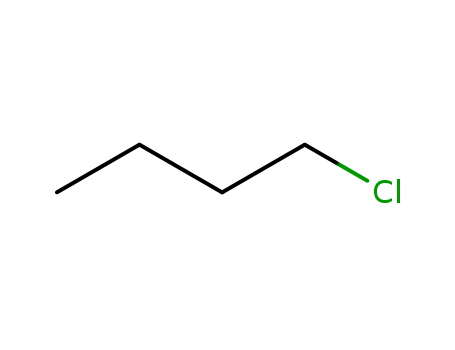
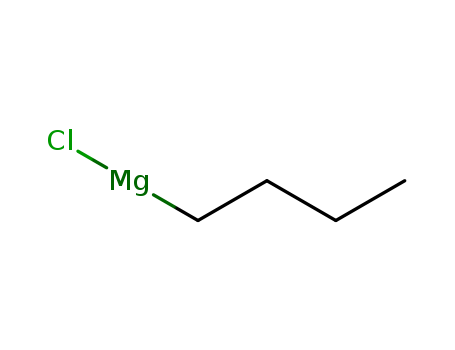
Kinetics of the reactions of C2H5, n-C 3H7, and n-C4H9 radicals with Cl2 at the temperature range 190-360 K
Eskola, Arkke I. Lozovsky, Vladimir A. Timonen, Raimo S.
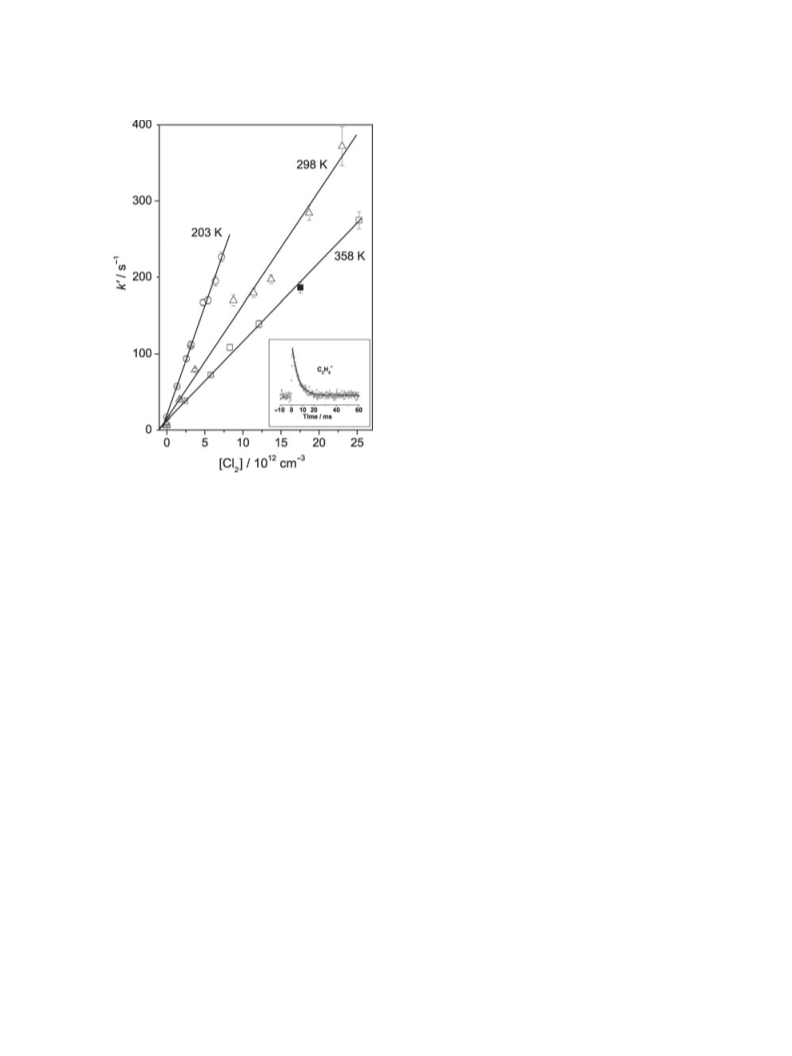
The kinetics of the C2H5 + Cl2, n-C 3H7 + Cl2, and n-C4H9 + Cl2 reactions has been studied at temperatures between 190 and 360 K using laser photolysis/photoionization mass spectrometry. Decays of radical concentrations have been monitored in time-resolved measurements to obtain reaction rate coefficients under pseudo-first-order conditions. The bimolecular rate coefficients of all three reactions are independent of the helium bath gas pressure within the experimental range (0.5-5 Torr) and are found to depend on the temperature as follows (ranges are given in parenthesis): k(C 2H5+ Cl2) = (1.45 ± 0.04) × 10-11 (T/300K)-1-73±0.09 cm3 molecule-1 s-1 (190-359 K), k(n-C3H7 + Cl2) = (1.88 ± 0.06) × 10-11 (T/300 K)-1.57 ± 0.14cm3 molecule-1 s -1 (204-363 K), and k(n-C4H9 + Cl2) = (2.21 ± 0.07) × 10-11 (T/300 K) -238 ± 0.14 cm3 molecule-1 s -1 (202-359 K), with the uncertainties given as one-standard deviations. Estimated overall uncertainties in the measured bimolecular reaction rate coefficients are ±20%. Current results are generally in good agreement with previous experiments. However, one former measurement for the bimolecular rate coefficient of C2H5 + Cl2 reaction, derived at 298 K using the very low pressure reactor method, is significantly lower than obtained in this work and in previous determinations.


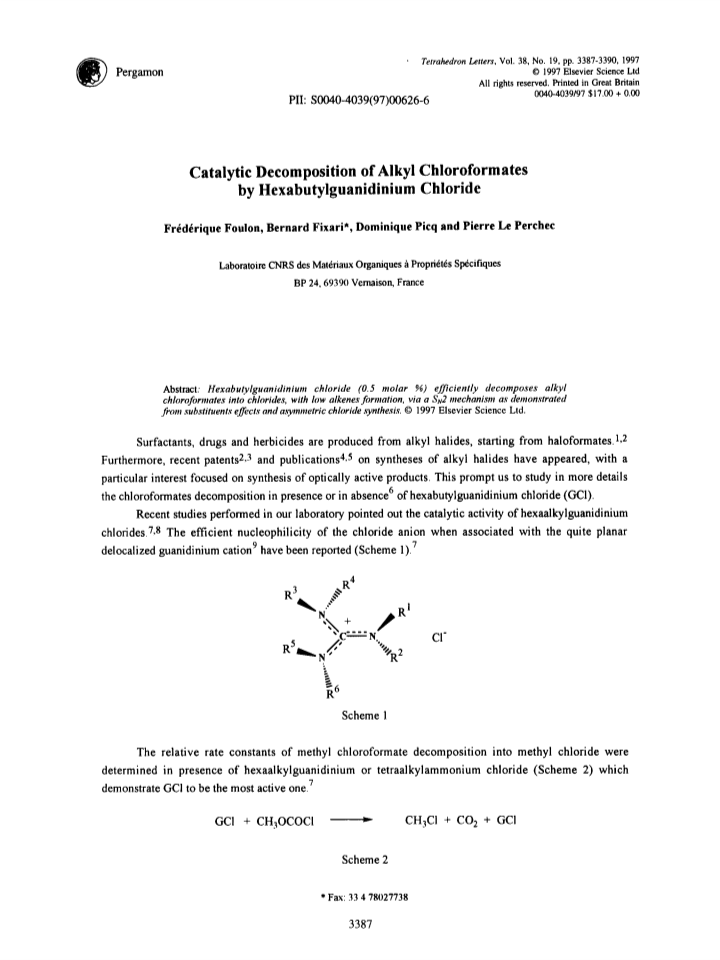
Catalytic decomposition of alkyl chloroformates by hexabutylguanidinium chloride
Foulon, Frederique Fixari, Bernard Picq, Dominique Le Perchec, Pierre
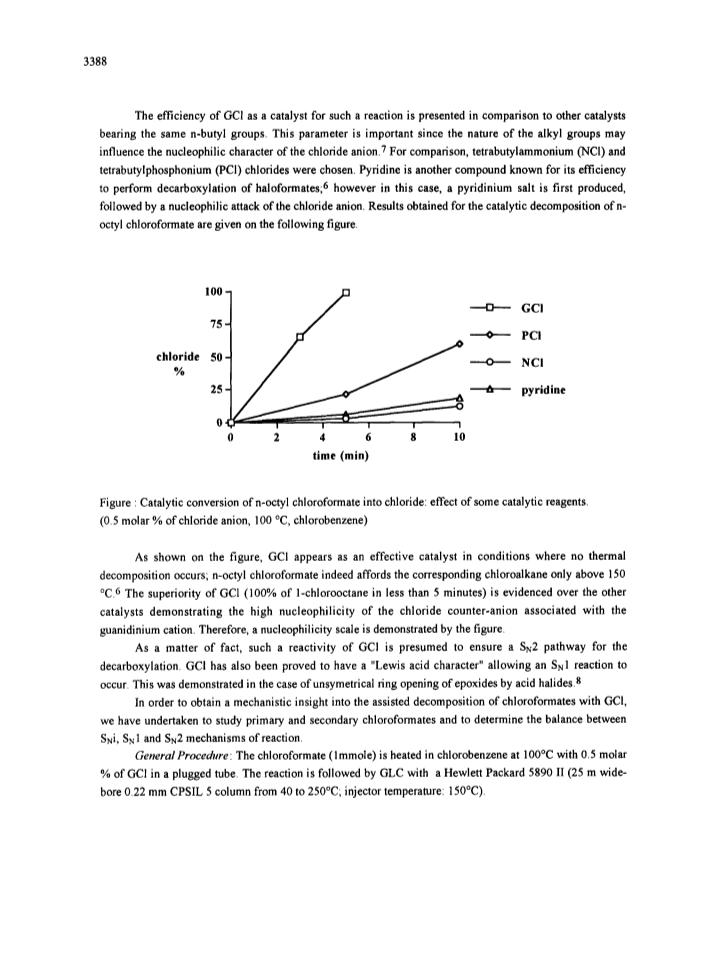
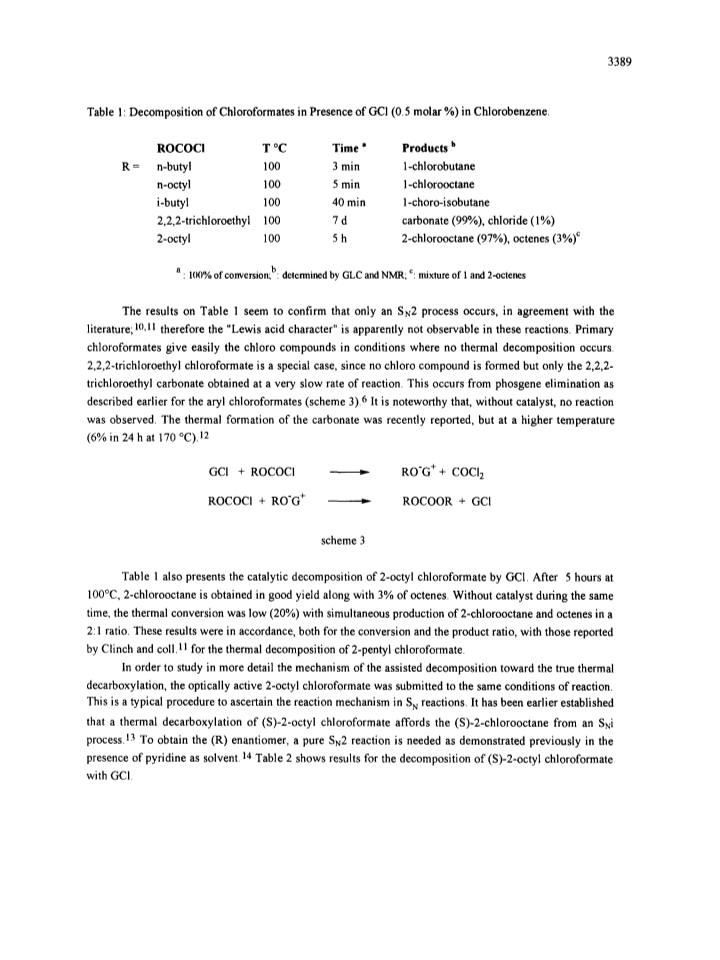
Hexabutylguanidinium chloride (0.5 molar %) efficiently decomposes alkyl chloroformates into chlorides, with low alkenes formation, via a S(N)2 mechanism as demonstrated from substituents effects and asymmetric chloride synthesis.
 Switzerland | Contact:sir
 Japan | Contact:HOKKO
 India | Contact:Mohan Krishna