GluR agonist
A GluR agonist refers to a pharmacological compound that mimics the action of glutamate by binding to and activating ionotropic glutamate receptors (GluRs) in the nervous system. Glutamate receptors are categorized into several subtypes, including AMPA receptors, NMDA receptors, and kainate receptors, which are crucial for synaptic transmission and neuronal excitability. Agonists stimulate these receptors, leading to the influx of ions such as sodium and calcium into the neuron, thereby promoting excitatory neurotransmission. The activation of GluRs plays a fundamental role in synaptic plasticity, learning, memory, and various physiological processes. For example, AMPA receptor agonists like AMPA itself or selective agonists such as CX-516 are studied for their potential therapeutic effects in enhancing cognitive function or treating neurological disorders associated with glutamatergic dysfunction. By modulating glutamate receptor activity, GluR agonists offer potential therapeutic avenues in neuroscience research, aiming to optimize neuronal communication and address conditions where glutamate signaling is implicated in pathophysiology.
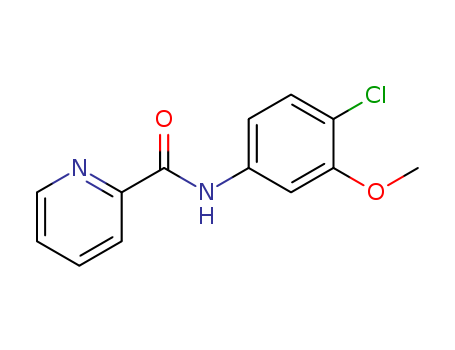
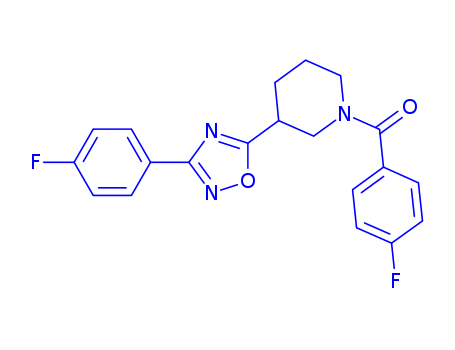
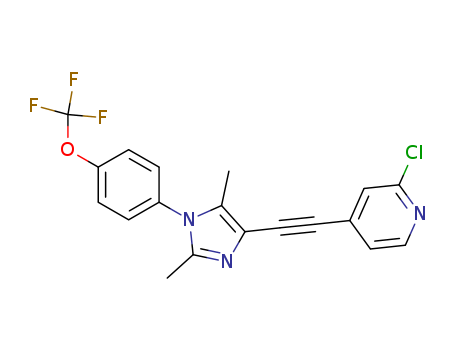
- Structure
- Product name
- CAS No.
- Molecular formula
- Inquiry
Total:5 Page 1 of 1 1