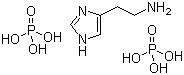
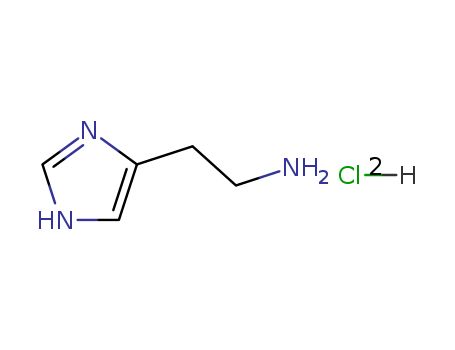
Histamine Receptor agonists
Histamine receptor agonists are pharmacological compounds that mimic the action of histamine by binding to and activating histamine receptors in the body. Histamine receptors are classified into several subtypes, including H1, H2, H3, and H4 receptors, each playing distinct roles in various physiological processes such as allergic reactions, gastric acid secretion, neurotransmission, and immune responses. Agonists stimulate these receptors, triggering responses similar to those induced by histamine itself, such as increased vascular permeability, smooth muscle contraction, and modulation of neurotransmitter release. For example, H1 receptor agonists like dimenhydrinate and meclizine are used to alleviate symptoms of motion sickness and vertigo by activating H1 receptors in the inner ear and brain. H2 receptor agonists such as histamine itself or selective agonists like dimaprit are used in experimental settings to study gastric acid secretion and related physiological functions by targeting H2 receptors in the stomach.
- Structure
- Product name
- CAS No.
- Molecular formula
- Inquiry
Total:2 Page 1 of 1 1