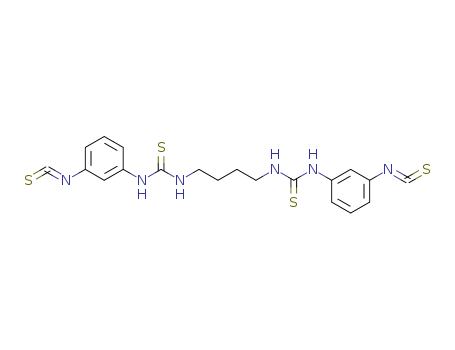
P2 Receptor Antagonists
P2 receptor antagonists are compounds that selectively bind to and block the activity of purinergic P2 receptors, which are activated by extracellular ATP (adenosine triphosphate) and related nucleotides. P2 receptors are categorized into two main types: P2X receptors (ligand-gated ion channels) and P2Y receptors (G protein-coupled receptors). By antagonizing P2 receptors, these compounds inhibit the downstream signaling pathways activated by ATP and other nucleotides, thereby modulating various physiological processes. This modulation can include inhibition of neurotransmission, reduction of inflammation, suppression of immune responses, and alteration of cellular proliferation and differentiation. P2 receptor antagonists have potential therapeutic applications in conditions such as chronic pain, inflammatory diseases, cardiovascular disorders, and neurodegenerative diseases where purinergic signaling plays a significant role. Selective P2 receptor antagonists allow researchers and clinicians to target specific receptor subtypes, minimizing off-target effects and maximizing therapeutic efficacy in treating diseases associated with dysregulated purinergic signaling pathways.
- Structure
- Product name
- CAS No.
- Molecular formula
- Inquiry
Total:1 Page 1 of 1 1