PPAR agonists
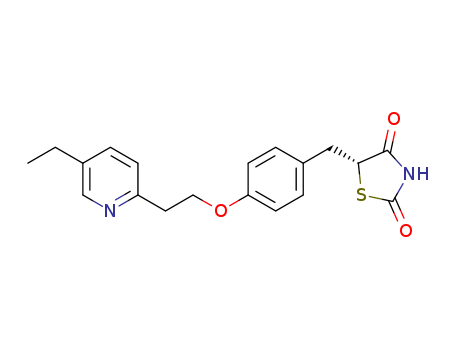
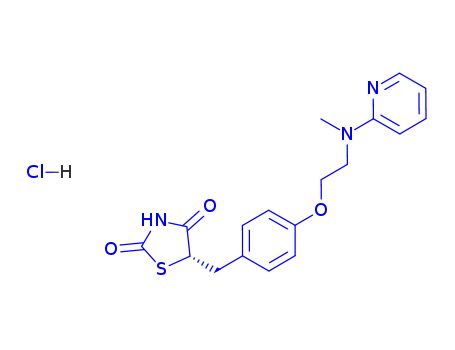
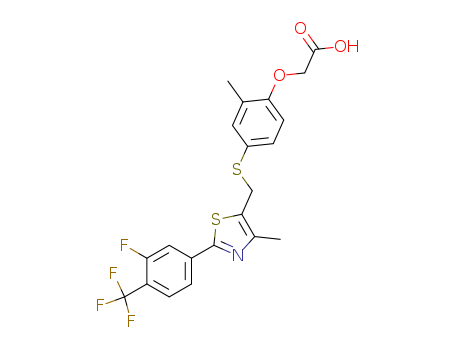
PPAR (peroxisome proliferator-activated receptor) agonists are compounds that bind to and activate PPARs, a group of nuclear receptor proteins that play key roles in regulating gene expression and lipid metabolism. There are three subtypes of PPARs: PPAR-alpha, PPAR-gamma, and PPAR-delta (also known as PPAR-beta). PPAR agonists exert their effects by binding to these receptors, which then heterodimerize with the retinoid X receptor (RXR). This complex binds to specific DNA sequences known as PPAR response elements (PPREs) in the promoter regions of target genes, thereby regulating the transcription of genes involved in lipid metabolism, glucose homeostasis, inflammation, and other metabolic processes. PPAR agonists have been studied extensively for their therapeutic potential in conditions such as dyslipidemia, type 2 diabetes mellitus, and metabolic syndrome. For example, PPAR-gamma agonists like thiazolidinediones (TZDs) are used clinically to improve insulin sensitivity and glucose control in diabetic patients.
- Structure
- Product name
- CAS No.
- Molecular formula
- Inquiry
Total:3 Page 1 of 1 1