Carbonic Anhydrase Inhibitors
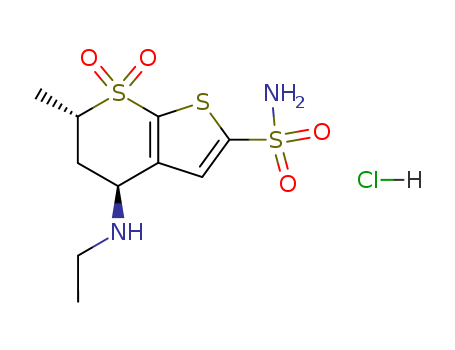
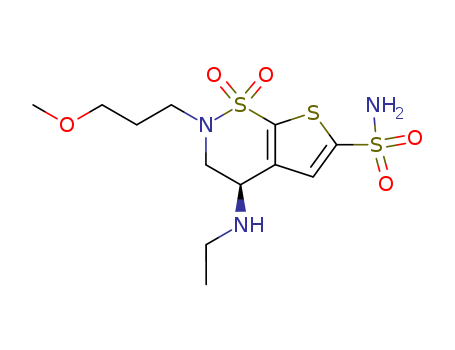
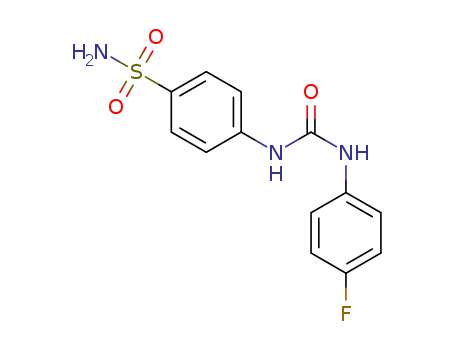
Carbonic anhydrase inhibitors (CAIs) are a class of pharmaceuticals that block the activity of the enzyme carbonic anhydrase. This enzyme plays a crucial role in catalyzing the reversible hydration of carbon dioxide to bicarbonate ions and protons. By inhibiting carbonic anhydrase, these drugs reduce the production of bicarbonate ions, which are essential for various physiological processes such as acid-base balance, fluid secretion, and electrolyte transport. Clinically, carbonic anhydrase inhibitors are used in the treatment of conditions like glaucoma, where they reduce intraocular pressure by decreasing aqueous humor formation. They are also employed to manage certain types of epilepsy and altitude sickness. Some CAIs, particularly acetazolamide, are utilized as diuretics to increase urinary excretion of bicarbonate and reduce fluid retention in conditions such as edema and congestive heart failure.
- Structure
- Product name
- CAS No.
- Molecular formula
- Inquiry
Total:3 Page 1 of 1 1