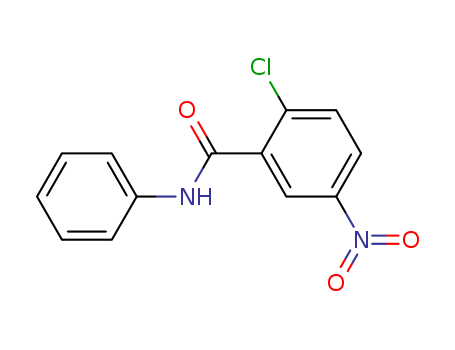
PPAR antagonist
PPAR (peroxisome proliferator-activated receptor) antagonists are compounds that block the activity of PPARs, a family of nuclear receptors involved in regulating gene expression related to lipid metabolism, glucose homeostasis, and inflammation. There are three main subtypes of PPARs: PPAR-α, PPAR-δ (also known as PPAR-β), and PPAR-γ. Antagonists of these receptors inhibit their transcriptional activity by binding to the receptor and preventing its interaction with coactivators, thereby altering downstream signaling pathways. In the context of therapeutics, PPAR antagonists are studied for their potential in treating metabolic disorders such as dyslipidemia, obesity, and type 2 diabetes mellitus, where abnormal PPAR activation may contribute to disease progression. By modulating PPAR activity, antagonists offer a targeted approach to regulating lipid and glucose metabolism, potentially improving metabolic health and reducing associated cardiovascular risks.
- Structure
- Product name
- CAS No.
- Molecular formula
- Inquiry
Total:2 Page 1 of 1 1


![4-Chloro-N-[2-[[5-(trifluoromethyl)-2-pyridinyl]sulfonyl]ethyl]benzamide](http://file1.lookchem.com/300w/substances/2022-03-19-09/31e276a7-1c74-49fa-ae0a-847f9ca19194.png)