Fatty acids
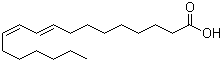
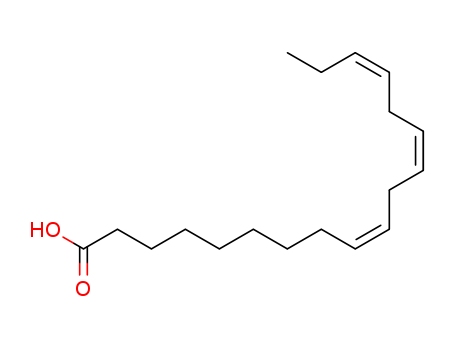
Fatty acids are organic molecules consisting of a hydrocarbon chain (typically between 4 to 24 carbon atoms) with a carboxylic acid group (-COOH) at one end. They are classified based on their carbon chain length (short-chain, medium-chain, long-chain) and the presence or absence of double bonds in the carbon chain (saturated or unsaturated). Fatty acids are essential components of lipids, which are crucial for energy storage, cell membrane structure, and signaling molecules in living organisms. Saturated fatty acids have no double bonds between carbon atoms, while unsaturated fatty acids contain one or more double bonds, which can be either monounsaturated (one double bond) or polyunsaturated (multiple double bonds). These double bonds influence the physical properties of fatty acids, affecting their melting point and fluidity. Fatty acids are obtained through dietary intake from sources like oils, dairy products, meat, and fish, and they are synthesized within the body for various metabolic functions.
- Structure
- Product name
- CAS No.
- Molecular formula
- Inquiry
Total:2 Page 1 of 1 1