10.1002/jhet.2937
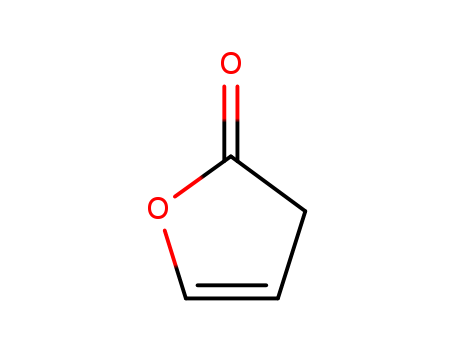
The research investigates the conversion of a 2(3H)-furanone derivative into oxazinone and pyrimidinone heterocycles. The purpose of this study is to explore the potential of 2(3H)-furanones in synthesizing biologically significant heterocyclic compounds, particularly pyrimidine derivatives, which are known for their wide range of biological activities including antiviral, antibacterial, anti-inflammatory, antimalarial, anticancer, and antihypertensive properties. The key chemical used in this research is 2-(furan-2-ylmethylene)-4-oxo-4-phenylbutanoyl azide (3), which is synthesized from 2(3H)-furanone through a two-step process involving reaction with hydrazine hydrate and sodium nitrite. This azide serves as the central starting material for the synthesis of the target heterocycles. Through thermolysis in dry benzene and base-catalyzed decomposition in the presence of different amines, the researchers successfully convert azide 3 into various oxazinone and pyrimidinone derivatives. The structures of these compounds are confirmed through spectral data and elemental analyses. The study concludes that the 2(3H)-furanone derivative can be effectively transformed into biologically relevant heterocyclic compounds.
10.1016/j.tet.2008.10.111
The research investigates an efficient catalytic system for synthesizing a variety of α,β-unsaturated ketones using [(NHC)AuCl] (NHC stands for N-heterocyclic carbene) in the presence of a silver(I) salt. This system catalyzes the Meyer–Schuster rearrangement, converting easily accessible propargylic alcohols into α,β-unsaturated ketones with high yields. The catalysis is performed in a 2:1 mixture of methanol and water at 60°C, yielding good results even for tertiary alcohols and sterically demanding substrates. However, the system is unsuitable for terminal alkynes and primary alcohols, which produce low yields of target molecules due to unexpected by-products. Key chemicals involved in this research include propargylic alcohols as substrates, [(IPr)AuCl] as the preferred catalyst among tested gold–NHC complexes, and AgSbF6 as the silver salt. The study also explores the effects of various substituents on the aryl and acetylenic moieties of the substrates, revealing that electron-donating groups and tertiary alcohols generally afford excellent yields. Additionally, the research delves into mechanistic insights, proposing a pathway involving the activation of a water molecule by the gold complex rather than the traditional activation of the C≡C triple bond, and investigates the formation of furanone and indanone derivatives under these conditions.