10.1021/ja00413a018
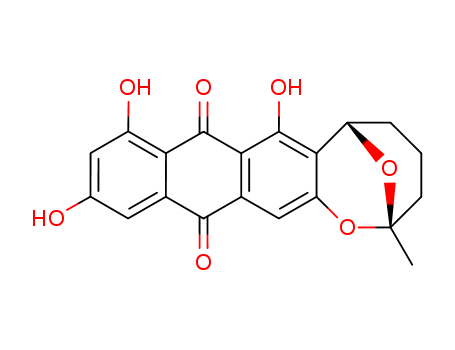
The research described in the scholarly article presents a total synthesis of (f)-averufin, a key intermediate in the biosynthesis of aflatoxin, a potent carcinogen produced by certain strains of the fungus Aspergillus. The purpose of this study was to develop a method for synthesizing averufin in its fully unprotected, bioactive form, which is challenging due to the tendency of its highly oxygenated aromatic rings to rearrange or decompose under acidic or basic conditions. The researchers successfully achieved this by employing methoxymethyl protecting groups, which allowed for regiospecific aryl metalation and the selective introduction of electrophiles to simple oxygenated benzenoid precursors. The synthesis involved the regiospecific coupling of the phthalide anion of 3b and the benzyne derived from aryl bromide 4 to form the anthraquinone 5c, the immediate precursor to averufin. The use of methoxymethyl groups was crucial for protecting and deprotecting hydroxyl functions under mild conditions, enabling the synthesis of averufin with high yields and selectivity.