Refernces
10.1002/ejoc.200800259
The research focuses on the development of a versatile synthetic approach for the functionalization of tripodal scaffold molecules on solid support. The study addresses intrinsic challenges associated with attaching tripodal scaffolds to a resin, such as the formation of mono- versus polyadducts and intramolecular cyclizations. The methodology relies on specific protecting groups and resin choices to facilitate scaffold variation, which is crucial for combinatorial studies. The researchers used a variety of scaffold molecules, including A3-type scaffolds, and functionalized them with different chemical groups without the use of protecting groups. The experiments involved solid-phase synthesis on various resins, including Wang, DHPP, and 2-chlorotrityl resins, and employed reagents like Fmoc-Asp(OtBu)-OH, PyBOP, and DIEA for coupling and activation steps. Analyses were conducted using techniques such as HPLC, ESI-MS, and NMR to characterize the synthesized compounds and confirm the success of the functionalization process. The research also explored the impact of different linkers and protecting groups on the yield and purity of the final products, optimizing the synthetic protocol for efficient and effective functionalization of tripodal scaffolds.
10.1016/j.bmcl.2008.07.128
The research focuses on the synthesis and evaluation of triphenylmethylamides (TPMAs), compounds that induce apoptosis in melanoma cells. The study aimed to establish a structure–activity relationship for TPMAs by synthesizing a series of derivatives with functionalized triphenylmethyl moieties and varying carbon chain lengths between the triphenylmethyl group and the amide. The synthesized TPMAs were evaluated for their ability to induce cell death in human melanoma cell lines UACC-62 and SK-MEL-5. The experiments involved treating cells with a range of concentrations of the compounds for 72 hours and assessing growth inhibition using the sulforhodamine B assay. Benzotriazol-1-yloxytripyrrolidinophosphonium hexafluorophosphate (PyBOP) as a coupling agent. The IC50 values were determined from three independent experiments. Additionally, cell cycle analysis and apoptosis assays were conducted to understand the mode of action of the most potent TPMAs. The research also tested the compounds against various cancer cell lines to assess their general anticancer properties. The results showed that certain TPMA derivatives, particularly those with a 3,4-dihydroxy functionality, increased potency and aqueous solubility, while alterations to the carbon chain length affected potency against specific cell lines.
10.1016/j.bmcl.2009.02.121
The research discusses the development and application of a new amino-linker, (aminoethoxycarbonyl)aminohexyl group (ssH-linker), for the efficient synthesis of oligonucleotide conjugates on solid-support at the 5'-terminal primary amine. The purpose of this study was to improve the modification efficacy of oligonucleotides (ONTs) for gene detection or gene delivery by attaching functional groups like fluorophores, hydrophobic molecules, or peptides. The ssH-linker was found to be superior to the conventional 6-aminohexyl group (C6-linker) in terms of the rapid removal of amino-protecting groups and the efficient covalent connection with activated amino acids or cholesterol molecules. The study concluded that the ssH-linker is a useful terminal modification for solid-support conjugation of functional molecules, offering higher conjugation yields and faster deprotection compared to the C6-linker. Key chemicals used in the process included monomethoxytrityl (MMT) as a protecting group, N-protected phenylalanine (N-Fmoc-Phe) and its pentafluorophenyl ester (N-Fmoc-Phe-OPfp) for amino acid conjugation, and cholesteryl chloroformate for conjugation with cholesterol. Activation reagents such as (benzotriazol-1-yloxy)tripyrrolidinophosphonium hexafluorophosphate (PyBOP), O-(benzotriazol-1-yl)-N,N,N',N'-tetramethyluronium hexafluorophosphate (HBTU), and 1-ethyl-3-(3-dimethylaminopropyl)carbodiimide hydrochloride (EDC) were also utilized in the coupling reactions.
10.1021/ja01299a015
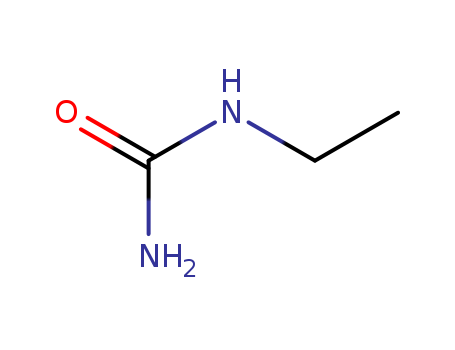
The study focuses on the preparation and pharmacological investigation of di- and trialkyl barbituric acids. The researchers synthesized various malonic esters by reacting alkyl halides with sodiomalonic ester or sodioalkylmalonic ester, and then used these esters to prepare barbituric acids by condensing them with urea, methyl urea, or ethyl urea in the presence of sodium ethoxide. The barbituric acids were purified by recrystallization or fractional distillation. The study also involved converting these acids into their sodium salts and testing their pharmacological effects on laboratory animals, primarily white rats. The results indicated that the introduction of a third alkyl group generally lessened the duration of action, and in some cases, alkylating the nitrogen group made the barbituric acids less effective. The study provides insights into the relationship between the chemical structure of barbituric acids and their pharmacological properties.


 Xn
Xn


