Refernces
10.1021/ol016954r
The study explores the application of [2,2]paracyclophane-based N,O-ligands in the asymmetric addition of alkenylzinc reagents to aldehydes, leading to the formation of chiral allyl alcohols. These compounds are important intermediates in various organic reactions. The research details the development of a method to generate alkenylzinc species through transmetalation using different reagents, which allows for fine-tuning the steric bulk and selectivity of the reaction. The study reports high enantioselectivities, especially for challenging substrates such as α-branched aliphatic aldehydes, and demonstrates the significant impact of the transmetalation agent on catalytic efficiency.
10.1002/ejoc.201200063
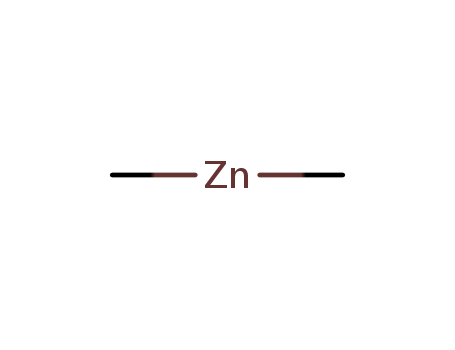
This research aimed to develop a new class of modular chiral catalysts derived from amino acid-L-Pro dipeptides for the enantioselective addition of dimethylzinc to aromatic aldehydes. The study focused on varying three subunits within the dipeptide catalyst to optimize enantioselectivity, ultimately identifying l-Asp-l-Pro dipeptides 21–25 as effective catalysts. The chemicals used in the process included various amino acid-L-Pro dipeptides, dimethylzinc, and aromatic aldehydes such as 4-chlorobenzaldehyde, 4-fluoro-, 4-bromo-, and 4-cyano-substituted benzaldehydes, among others. The research concluded that the dipeptide catalysts, due to their simple modular structure and the ready availability of l-amino acids, are highly attractive for the synthesis and evaluation of larger libraries of catalysts for reactions involving alkylzinc and other organometallic reagents, paving the way for further studies on improving enantioselectivity and understanding the structure of the zinc–dipeptide complex.
10.1021/ja028092a
The research focuses on the development of new methodologies for the synthesis of allylic amines and C-cyclopropylalkylamines through dimethylzinc-mediated additions of alkenylzirconocenes to aldimines. The purpose of this study was to create an efficient route for the preparation of synthetically useful allylic amine building blocks and to explore the potential of in situ cyclopropanation of N-metalated allylic amides, leading to the formation of C-cyclopropylalkylamines with high yields and excellent diastereoselectivities. The key chemicals used in this process include zirconocene hydrochloride, dimethylzinc, alkynes, and aldimines. The conclusions of the research highlight the successful establishment of a new route for allylic amine synthesis and the discovery of a domino reaction that provides a synthetically valuable structural motif in a single step, with the use of enynes as starting materials allowing for the stereoselective formation of five new carbon-carbon bonds.
10.1021/ol202520x
The research describes the development of a highly selective nickel-catalyzed methyl-carboxylation of homopropargylic alcohols using ZnMe2 and CO2 to efficiently synthesize R-alkylidene-γ-butyrolactones. The study builds on previous work in CO2 activation and highlights the unique role of the hydroxyl group in homopropargylic alcohols as a directing group, enhancing both the yield and regioselectivity of the reaction. The presence of CsF was found to increase the reactivity of the alkenyl zinc intermediate toward CO2. The optimized reaction conditions include using 1 mol % Ni(cod)2, 1.5 equivalents of CsF, and 3.0 equivalents of ZnMe2 in acetonitrile at 50 °C. This method demonstrated excellent catalytic activity, high regio- and stereoselectivity, and compatibility with various functional groups, making it a practical approach for synthesizing lactones with potential synthetic and biological applications. The study also explored the synthesis of fused bicyclic lactones and other related compounds, showcasing the versatility of the developed method.


 F,
F, C,
C, N
N


