Refernces
10.1016/j.jorganchem.2003.10.040
The study presents the synthesis and comprehensive characterization of 4-Me2NC6H4HgOH, the first verified organomercury hydroxide that crystallizes as discrete molecules in the solid state. The researchers detail its preparation from 4-Me2NC6H4HgOAc and discuss the structures of related compounds, including 4-Me2NC6H4HgOAc and (4-Me2NC6H4)2Hg. The study delves into the complex history of organomercury hydroxides, resolving previous conflicting reports and misconceptions about their existence and properties. It also explores the behavior of these compounds in aqueous solution, pointing to pH-dependent equilibria involving various species. The researchers used techniques such as electrospray mass spectrometry, nuclear magnetic resonance, infrared spectroscopy, and X-ray crystallography to characterize the compounds. The results provide a clear structural and spectral signature of 4-Me2NC6H4HgOH, confirming its status as a true organomercury hydroxide and contributing to a better understanding of arylmercury chemistry.
10.1002/ejoc.200300795
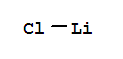
The research focuses on the development of efficient conditions for the addition of acid enediolates to epoxides, offering an alternative to the traditional use of aluminum enolates. The study introduces a method that employs a sub-stoichiometric amount of amine for dianion generation and the activation of epoxides with lithium chloride (LiCl). The reactants used in the experiments include various epoxides and phenylacetic acid, which are subjected to nucleophilic addition reactions under these new conditions. The experiments are designed to optimize factors such as the amount and nature of the lithium amide used as a base, temperature, and reaction time. Analyses utilized to evaluate the outcomes encompass techniques like infrared (IR) spectroscopy, nuclear magnetic resonance (NMR) spectroscopy, and mass spectrometry. The results indicated improved yields and selectivity in the formation of ?-lactones or hydroxy acids, which could be further converted to ?-lactones upon refluxing in toluene. The study also explored the impact of different Lewis acids and additives on the reaction's diastereoselectivity and regioselectivity, with LiCl showing the most promising results, particularly when used in inverse addition.
10.1016/j.jorganchem.2011.11.034
The research investigates the reactivity of the ligands 2-(indazol-1-yl)-2-thiazoline (1) and 2-(indazol-1-yl)-1,3-thiazine (2) with palladium(II) acetate, resulting in the formation of various compounds. For ligand 1, a cyclopalladated compound (1a) with a bidentate [C(sp2,phenyl),N] ligand and a central “Pd(m-OAc)2Pd” unit was obtained. Further reactions led to the formation of mononuclear compounds such as [Pd(k2-O,Oacac)(k2-CN-TnInA)] (1c) and [PdCl(PPh3)(k2-CN-TnInA)] (1e). In contrast, ligand 2 reacted with palladium(II) acetate to form a complex with a bidentate [N,N] ligand, cis-[Pd(OAc)2(k2-NN-TzIn)] (2a), which could be transformed into cis-[PdCl2(k2-NN-TzIn)] (2b). The study also involved theoretical calculations using density functional theory (DFT) to understand the regioselectivity of these reactions. The chemicals that played a significant role in this research include palladium(II) acetate (Pd(OAc)2), sodium acetylacetonate (Na(acac)), lithium chloride (LiCl), and triphenylphosphine (PPh3), which were used in the synthesis and transformation of the compounds.


 F,
F,  Xn,
Xn,  C,
C,  Xi
Xi
 Xn:Harmful;


