Refernces
10.1016/j.ica.2010.05.009
The study focuses on the synthesis and characterization of five new Ni(II) complexes with aroyl hydrazone ligands derived from 2,6-diacetyl pyridine monooxime. The complexes were found to have a distorted octahedral N4O2 coordination environment around the Ni(II) ion, with the ligands coordinating through the pyridine nitrogen, imino-hydrazone nitrogen, and the deprotonated oxygen of the hydrazone moiety. The uncoordinated iminooxime groups and the orthogonal orientation of the CH3–C@N–OH groups relative to the adjacent pyridine rings were observed. The ligands and their corresponding Ni(II) complexes exhibited luminescence, with the complexes showing a lower quantum yield compared to the free ligands. The study also includes the X-ray crystal structure of the Ni(II) salicyloylhydrazone complex, which revealed details about the molecular structure and hydrogen bonding interactions in the crystal lattice. The research provides insights into the coordination chemistry of aroyl hydrazone ligands and their potential applications in areas such as pharmaceuticals and materials science.
10.1002/chem.201100605
The research focuses on the development of an organocatalytic enantioselective formal conjugate addition of a hydroxymoyl anion to α,β-unsaturated aldehydes, which is a significant transformation in organic chemistry. The study explores the use of N-nitromethylphthalimide as a hydroxymetanimidoyl anion equivalent in enantioselective conjugate addition reactions under iminium activation, using a chiral secondary amine as the organocatalyst. The experiments involved the optimization of reaction conditions and the identification of the best catalyst for the initial conjugate addition of N-nitromethylphthalimide to α,β-unsaturated aldehydes. The reaction was found to be efficient with O-TMS diphenyl prolinol as the catalyst and EtOH as the solvent at 4°C, yielding a variety of Michael addition products with good yields and excellent enantioselectivities. Further experiments included the transformation of the nitro(phthalimido)methyl moiety into the hydroxymetanimidoyl group, which was achieved through a series of steps involving protection of the formyl moiety, reaction with hydroxylamine hydrochloride, and ozonolysis to obtain chiral aldehydes. The analyses used to determine the success of the reactions included NMR spectroscopic analysis for diastereoisomeric ratios, HPLC on chiral stationary phase for enantiomeric excess (ee), and chemical correlation for assigning the absolute configuration of the stereocenter.
10.1080/10426500214303
The research focuses on the facile, one-pot synthesis of 7H-[1,2,4]triazolo[3,4-b][1,3,4]thiadiazines, a class of heterocycles with known antimicrobial and analgesic activities. The synthesis involves a cyclocondensation reaction catalyzed by sulfuric acid adsorbed on silica gel, starting from 4-amino-5-substituted-1,2,4-triazole-3-thiones and reacting with α-chloroacetonitrile and α-haloketones. The experiments utilized various reactants, including different substituted phenacyl bromides and chloroacetones, to produce the desired heterocyclic compounds. The synthesized compounds were characterized by analytical and spectral data, including infrared (IR) spectra, proton nuclear magnetic resonance (1H NMR) spectra, mass spectra, and microanalysis, which confirmed their structures and provided information on their elemental composition and physical properties such as melting points.
10.1080/17415993.2010.533772
The study investigates the reactions of 2-(4,5-dihydrothiazol-2-ylthio)-1-arylethanone with various nucleophiles, including semicarbazide hydrochloride, hydroxylamine hydrochloride, hydrazine, ethylenediamine, and aminoethanol, to form a range of products selective to the reagents used. The purpose of these reactions is to synthesize heterocyclic compounds containing selenium and sulfur, which are of interest due to their potential applications in the preparation of alkynes and their pharmacological properties, such as antifungal and antibacterial activities. The study explores the formation of different products with different nucleophiles, highlighting the selective nature of the reactions and the resulting compounds' structures, which were confirmed through techniques like single-crystal X-ray analysis.
10.1016/j.carres.2011.11.006
The research aims to synthesize novel compounds that are linked to sugars and possess both antioxidant properties and the ability to inhibit acetylcholinesterase, an enzyme associated with Alzheimer's disease. The study compares the efficiency of conventional heating methods with microwave-assisted synthesis for the creation of these compounds, which include oxo-/thioxopyrimidines and tetrazoles linked to furanoses with D-xylo and D-ribo configurations, and to a D-galacto pyranose. The chemicals used in the synthesis process involve dialdofuranoses and dialdopyranoses, β-keto esters, urea or thiourea, hydroxylamine hydrochloride, copper sulfate, triethylamine, dicyclohexylcarbodiimide, and sodium azide. The research concludes that microwave irradiation is a more efficient method, yielding the target molecules in high yield and in a significantly shorter time (10 minutes) compared to conventional heating. The synthesized compounds showed acetylcholinesterase inhibition ranging from 20% to 80% at a concentration of 100 μg/mL and exhibited antioxidant activity in the β-carotene/linoleic acid assay, with some compounds showing IC50 values comparable to gallic acid. Importantly, the bioactive compounds did not exhibit cytotoxic effects on human lymphocytes nor genotoxicity, indicating their potential as non-toxic therapeutic agents for the control of Alzheimer's disease symptoms.
10.1016/S0040-4020(98)01046-1
The research involves the synthesis and reactivity of bis(arylcarbamoyl)-N-arylphenacylamine oximes, which are precursors to N-unsubstituted O-arylcarbamoylhydroxylamines and 1,3-dihydroimidazol-2-ones. The study aimed to explore the Beckmann fragmentation and intramolecular cyclization of these compounds to form imidazol-2-ones. The researchers found that the expected Beckmann fragmentation did not occur under the tested conditions, and instead, the compounds underwent intramolecular nucleophilic addition, leading to the formation of imidazolidinones. The synthesis involved the use of N-arylphenacylamines, hydroxylamine hydrochloride, sodium acetate, aryl isocyanates, and TsOH.H2O (p-toluenesulfonic acid monohydrate), among other reagents. The conclusions of the research were that bis(arylcarbamoyl)-N-arylphenacylamine oximes are excellent precursors for the synthesis of the target compounds, and the reactions provided high yields of the desired products, with the process being confirmed through various analytical techniques including NMR, IR, and mass spectrometry.
10.1055/s-2007-990834
The research focuses on the development of a simple and efficient method for synthesizing new mono- and bis([1,2,4]-oxadiazol)benzaldehyde building blocks, which are valuable in organic chemistry for a variety of applications. The purpose of this study was to create a high-yielding, five-step procedure with minimal and straightforward purifications, starting from readily available benzamidoxime, derived from 4-cyanobenzaldehyde. The conclusion of the research is that the team successfully developed a general method for synthesizing these compounds with aromatic and aliphatic linkers, yielding overall yields between 66% and 80%. Key chemicals used in the process include 4-cyanobenzaldehyde, ethylene glycol, p-toluenesulfonic acid, hydroxylamine hydrochloride, sodium carbonate, pyridine, phenylacetyl chloride, and various dicarboxylic acids or acid dichlorides to introduce different linkers. The final products, the mono- and bis([1,2,4]-oxadiazol)benzaldehydes, were obtained through a series of reactions involving O-acylation, acetal deprotection, and cyclization steps.
10.2174/138620712800563909
The research aims to develop an efficient method for the synthesis of isoquinoline derivatives, specifically dialkyl pyrrolo[2,1-a]isoquinoline-2,3-dicarboxylates, pyrrolo[1,2-a]quinoline-1,2-dicarboxylates, and indolizines. The purpose of this study is to provide a simple, environmentally friendly, and cost-effective one-pot synthesis method that avoids the use of complex isolation procedures and hazardous solvents. The researchers concluded that they had successfully developed a convenient and one-pot method for preparing these stabilized heterocyclic compounds under solvent-free conditions at 50°C, which offers a significant advantage over traditional multi-step approaches. The chemicals used in the process include isoquinoline, quinoline, pyridine, phenacyl bromides, and dialkyl acetylenedicarboxylates or diaryloylacetylene. The reactions were carried out under mild conditions, and the products were obtained in high yields, demonstrating the synthetic advantage of these methods. The study also provides detailed characterizations of the synthesized compounds using various spectroscopic techniques, confirming the structure and composition of the products.
10.1007/BF00699000
The research investigates the initial steps of the reductive condensation of trichloromethylarenes with hydroxylamine or hydrazines in pyridine. The purpose is to understand the role of pyridine in these reactions and the initial steps of the reductive condensation process. The key chemicals used include trichloromethylarenes, hydroxylamine hydrochloride, hydrazine salts, and pyridine. The study found that pyridine may act as the actual reducing agent, undergoing oxidation to form N-(4-pyridyl)pyridinium salts, which then react with hydrazine to produce 4-pyridylhydrazine. This compound further reacts to form unusual products like 4-pyridylhydrazones of substituted benzaldehydes. The research concludes that pyridine plays a more complex role than previously thought, contributing significantly to the high yields of certain products even at equimolar ratios of reactants. In the research, hydroxylamine hydrochloride plays a crucial role as a reagent in the reductive condensation process. 4-pyridylhydrazine is identified as an unexpected and significant product formed during the reductive condensation process involving pyridine.
10.1021/ol501638x
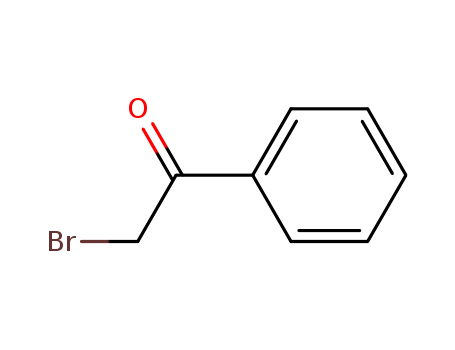
The research focuses on the development of a novel three-component coupling reaction involving arynes, α-bromo carbonyl compounds, and dimethyl sulfoxide (DMSO). The purpose of this study was to trigger the reaction by inserting arynes into the S-O bond of DMSO, resulting in the formation of a variety of multisubstituted aryl methyl thioethers, which are synthetically and biologically important compounds. The reaction, which is transition-metal-free, allows for the construction of two new C-O bonds and one C-S bond in a one-pot operation, yielding these aryl methyl thioethers in generally good yields. The chemicals used in the process include arynes generated from o-silyl aryl triflate precursors, α-bromo carbonyl compounds such as 2-bromo-1-phenylethanone, and DMSO, which serves dual roles as both a methylthiolation reagent and an oxygen source. The reaction mechanism was also explored through deuterium-labeling studies and mass analysis, confirming DMSO's role in providing the methylthio group and the oxygen of the newly formed C-O bond. The conclusion of the research is that this new method offers a unique and efficient pathway for incorporating a sulfur-containing moiety into aromatic compounds, expanding the scope of synthetic methodologies involving arynes.
10.1016/j.bmcl.2007.01.037
The research aimed to develop new antimicrobial drugs with potent anti-tuberculosis activity due to the urgent need for more effective treatments against multidrug-resistant tuberculosis (MDR-TB). The study focused on synthesizing N-hydroxythiosemicarbazide and its derivatives, which were then tested for their in vitro activity against Mycobacterium tuberculosis H37Rv. The synthesis involved starting materials like 2,4-dimethoxy benzyl amine and hydroxylamine hydrochloride, and various aldehydes and ketones to obtain the titled compounds. The most potent compound, (4-bromophenyl)(phenyl)methanone N-hydroxythiosemicarbazone (10p), showed an MIC of 0.28 μM and was 2.5 times more active than the standard drug isoniazid. The study concluded that the synthesized compounds, particularly compound 10p, due to their potency, selectivity, and low cytotoxicity, are valid leads for further development of new compounds with better activity against tuberculosis.
10.1039/c6ra05385h
The study presents a visible light promoted, catalyst-free synthesis of thiazoles and imidazo[2,1-b]thiazoles in an EtOH:H2O green medium. The key chemicals involved are phenacyl bromide, N-phenylthiourea, and 2-aminothiazole. Phenacyl bromide serves as a reactant that undergoes homolytic fission of its C-Br bond under visible light, generating a free radical. N-phenylthiourea also forms a free radical through the homolytic fission of its S-H bond. These radicals combine to form intermediate compounds, which further react to produce the desired thiazoles and imidazo[2,1-b]thiazoles via cyclization and removal of a water molecule. The use of visible light provides the activation energy needed for the reaction, eliminating the need for catalysts or photosensitizers. The EtOH:H2O solvent system enhances the solubility of the reactants and stabilizes the transition states, contributing to the eco-efficiency and high yield of the products. This method is notable for its cost-effectiveness, short reaction time, and alignment with green chemistry principles.


 C
C


