10.1016/j.tetlet.2009.02.213
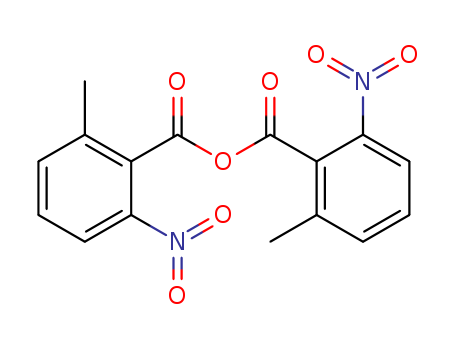
The research focuses on the total synthesis of marinostatin (MST), a serine protease inhibitor isolated from the marine bacterium Pseudoalteromonas sagamiensis. The purpose of this study is to develop a protocol for synthesizing MST, confirming its reported primary structure, including its unique ester linkages, and exploring the potential to create analogues with different protease specificities. The key chemicals used in the synthesis include t-butyl (tBu) and t-butyldimethylsilyl (TBS) groups for protecting the side-chains of Asp and Ser/Thr, and 3-pentyl (Pen) for protecting the phenolic hydroxyl group of Tyr6. The synthesis involves solid-phase peptide synthesis (SPPS) with Fmoc chemistry and the use of various coupling reagents such as MNBA (2-methyl-6-nitrobenzoic anhydride) and DMAP (4-dimethylaminopyridine) for esterification. The study concludes that the synthetic MST has inhibitory potency against subtilisin with a Ki value of 0.6 nM, comparable to the reported value for native MST (1.5 nM). The successful synthesis of MST using regioselective esterification provides a foundation for further exploration of its analogues and potential applications in protease inhibition.
10.1021/jo030367x
The study presents an efficient method for synthesizing carboxylic esters and lactones using 2-methyl-6-nitrobenzoic anhydride (MNBA) as a dehydrating reagent. The key chemicals involved include carboxylic acids and alcohols, which are the starting materials for esterification, and MNBA, which reacts with carboxylic acids to form mixed anhydrides. Triethylamine acts as a base to neutralize the acid byproduct, while 4-(dimethylamino)pyridine (DMAP) serves as a catalyst to promote the reaction. The study demonstrates that this method allows for the production of carboxylic esters and lactones in high yields and with high chemoselectivity at room temperature. The protocol is particularly advantageous for synthesizing compounds that are sensitive to acidic conditions and can be applied to a wide range of substrates, including those with acid-sensitive protective groups. The study also highlights the successful application of this method to the synthesis of erythro-aleuritic acid lactone and the eight-membered-ring lactone moiety of octalactins A and B, showcasing its utility in the preparation of complex natural products.