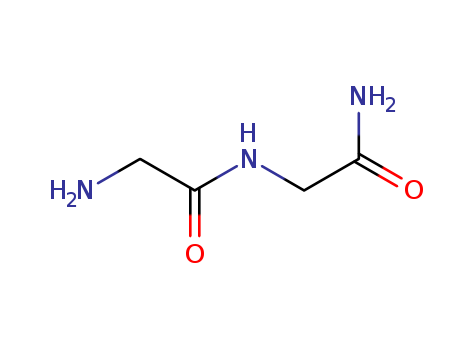
10.1246/bcsj.41.2772
The research aimed to synthesize and test two analogs of oxytocin, a hormone known for its role in childbirth and social bonding. The analogs, [9-leucine]-oxytocin and oxytocinoyl-glycinamide, were created by replacing the glycinamide residue at position 9 in oxytocin with leucinamide and glycylglycinamide, respectively. The study's purpose was to explore the structure-activity relationships in oxytocin and to understand the impact of these modifications on the hormone's pharmacological properties. The researchers used a variety of chemicals in their synthesis process, including benzyloxycarbonyl-tripeptide azide, hexa- or heptapeptide amide, and various protecting groups such as benzyloxycarbonyl and benzyl groups, which were later removed using sodium in liquid ammonia or anhydrous hydrogen fluoride. The synthesized analogs were then oxidized and tested for their oxytocic potency, with [9-leucine]-oxytocin showing approximately 8% potency and oxytocinoyl-glycinamide showing 0.5% potency compared to the natural oxytocin. The findings suggest that the replacement of glycine with bulkier leucine did not significantly reduce the biological activity, which is significant for understanding the structure-function relationship of the oxytocin molecule.