




Relevant articles and documents
Mechanism of olefin epoxidation in the presence of a titanium-containing zeolite
Danov Krasnov Sulimov Ovcharova
The effect of the nature of a solvent on the liquid-phase epoxidation of olefins with an aqueous solution of hydrogen peroxide over a titanium-containing zeolite is studied. Butanol-1, butanol-2, propanol-1, isopropanol, methanol, ethanol, water, acetone, methyl ethyl ketone, isobutanol, and tert-butanol are examined as solvents. A mechanism of olefin epoxidation with hydrogen peroxide in an alcohol medium over a titanium-containing zeolite is proposed. Epoxidation reactions involving hydrogen peroxide and different olefins are studied experimentally.


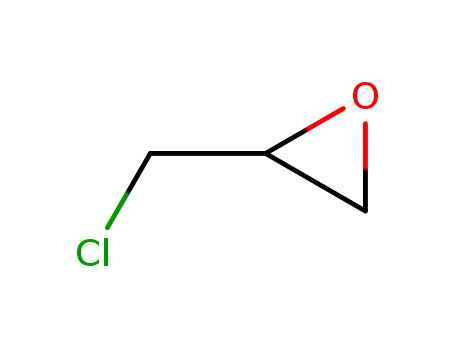
Fully utilizing seeds solution for solvent-free synthesized nanosized TS-1 zeolites with efficient epoxidation of chloropropene
Chai, Yongming Li, Bin Li, Yichuan Liu, Hanfang Liu, Jia Liu, Yanru Ran, Saisai Wang, Fupeng Wang, Lei Wang, Yu Xie, Huijie Ye, Tiantian
Nanosized titanium silicalite-1 (TS-1) demonstrates excellent catalytic ability in the selective catalytic oxidation reaction. However, their synthesis process is usually complicated with low yield under hydrothermal conditions, which is not in line with the concept of green chemistry. Herein, via fully utilizing untreated seeds solution, we report firstly an entirely green strategy for solvent-free synthesizing anatase-free nanosized TS-1 zeolite. The success lies in the fully utilization of seeds solution which is composed of supersaturated structure directing agent (TPAOH), unreacted silica source, water and formed MFI seeds (silicalite-1) without external purification. In the followed solvent-free synthesis of final nanosized TS-1 product, no additional TPAOH is added, which greatly reduces the synthesis cost and synthetic procedure and maintains a high product yield. The obtained nanosized TS-1 zeolite without anatase phase has high crystallinity, large specific surface area. More importantly, the nanosized TS-1 (Si/Ti ?= ?77) catalysts exhibit excellent catalytic ability for the epoxidation of chloropropene with 40.0% conversion and 97.6% selectivity. This sustainable and green synthesis method opens up a new way to regulate nanosized zeolite.
 Ukraine | Contact:Czibij Mihail Pavlov
 South Africa | Contact:AAron Thomas
 Pakistan | Contact:sir
 India | Contact:balasaheb