Silicide and silicates
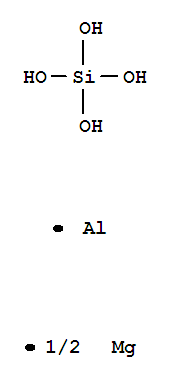
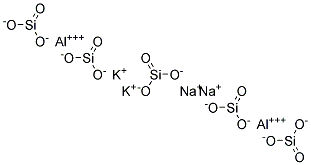
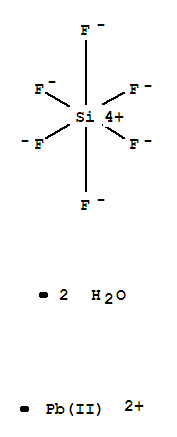
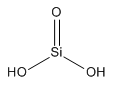
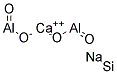
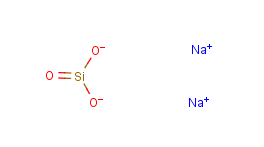
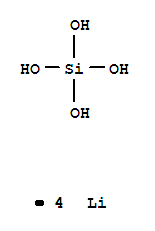
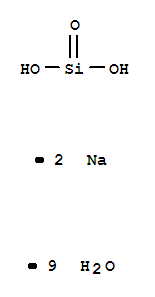
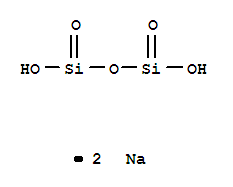
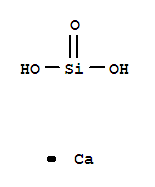
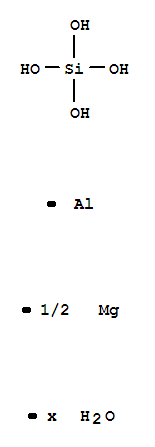
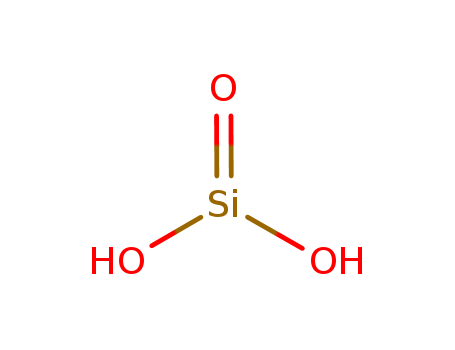
Silicides are compounds composed of silicon and a more electropositive element, typically a metal. These compounds exhibit a range of properties depending on their composition and structure, including high thermal stability, electrical conductivity, and resistance to oxidation. Silicides are used in various technological applications such as semiconductor devices, where they serve as contact materials due to their ability to form low-resistance junctions with silicon. In contrast, silicates are a broad class of minerals and compounds composed of silicon, oxygen, and other elements like metals or alkali cations. Silicates constitute the largest group of minerals in the Earth's crust and are fundamental components in rocks, soils, and clays. They also play essential roles in industry, where they are used in ceramics, glass manufacturing, construction materials, and as catalysts. Silicates exhibit diverse chemical and physical properties depending on their composition and crystal structure, making them versatile materials in both natural and industrial settings.
- Structure
- Product name
- CAS No.
- Molecular formula
- Inquiry