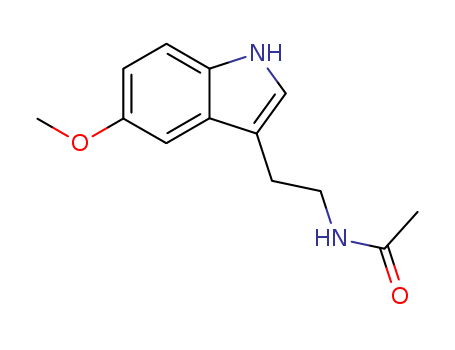
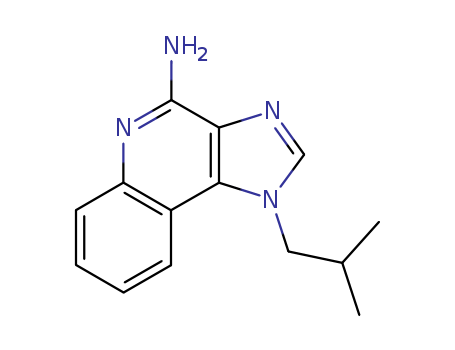
Immunomodulators
Immunomodulators are a class of drugs or substances that modify or regulate the immune system's response, enhancing or suppressing its activity to achieve a therapeutic effect. These agents are used to treat a wide range of conditions, including autoimmune diseases, inflammatory disorders, infections, and certain types of cancer. Immunomodulators can be broadly categorized into immunosuppressants, which dampen the immune response to prevent tissue damage in conditions like rheumatoid arthritis or organ transplantation, and immunostimulants, which boost the immune response to fight infections or cancer. Examples include corticosteroids, which reduce inflammation by suppressing various immune pathways; biologics like tumor necrosis factor (TNF) inhibitors, which target specific components of the immune system; and interferons, which enhance the immune response against viruses and tumors.
- Structure
- Product name
- CAS No.
- Molecular formula
- Inquiry
Total:4 Page 1 of 1 1