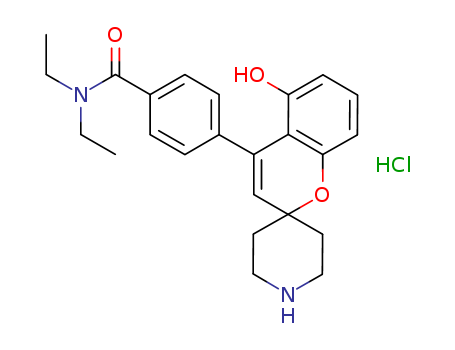
Opioid Receptor agonists
Opioid receptor agonists are compounds that bind to and activate opioid receptors in the central nervous system (CNS) and peripheral tissues. These receptors are G protein-coupled receptors divided into three main types: mu (μ), delta (δ), and kappa (κ) opioid receptors. Opioid agonists mimic the action of endogenous opioids like endorphins and enkephalins, producing a range of effects including pain relief, sedation, euphoria, and respiratory depression. They are used clinically for their potent analgesic properties, particularly in managing moderate to severe pain conditions. Common opioid agonists include morphine, fentanyl, and oxycodone, each varying in potency and duration of action.
- Structure
- Product name
- CAS No.
- Molecular formula
- Inquiry
Total:1 Page 1 of 1 1