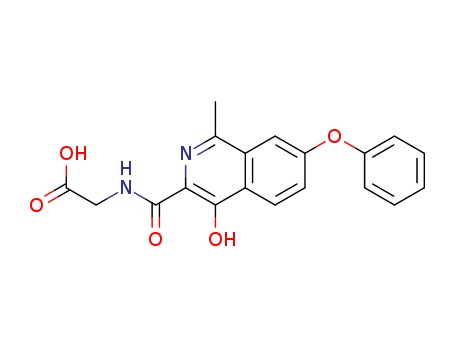
HIF inhibitor
Hypoxia-inducible factor (HIF) inhibitors are a class of pharmaceutical compounds designed to interfere with the activity of hypoxia-inducible factors, particularly HIF-1α and HIF-2α. These transcription factors play crucial roles in cellular responses to low oxygen levels (hypoxia), regulating genes involved in angiogenesis, erythropoiesis, glycolysis, and other adaptive processes. Under normal oxygen conditions, HIF-α subunits are targeted for degradation through hydroxylation by prolyl hydroxylase enzymes, marking them for recognition by the Von Hippel-Lindau tumor suppressor protein (pVHL) and subsequent proteasomal degradation. HIF inhibitors work by disrupting this regulatory pathway, typically by inhibiting prolyl hydroxylase enzymes or preventing the binding of HIF-α to pVHL, thereby stabilizing HIF-α subunits and promoting their nuclear translocation. This results in altered gene expression patterns that can inhibit tumor angiogenesis, reduce metastasis, and sensitize cancer cells to radiation therapy and chemotherapy.
- Structure
- Product name
- CAS No.
- Molecular formula
- Inquiry
Total:5 Page 1 of 1 1


![L-Phenylalanine, 4-[bis(2-chloroethyl)oxidoaMino]-, (Hydrochloride) (1:2)](http://www.lookchem.com/300w/2017-5/9f835211-277f-4de1-9e43-ce38645228dc.gif)