HIV Protease Inhibitors
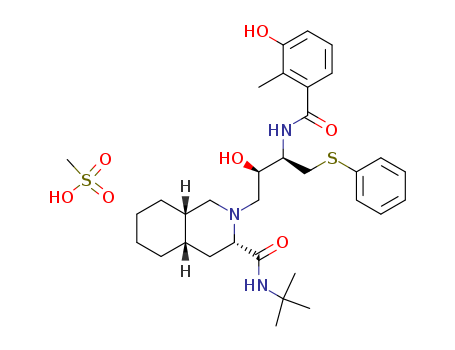
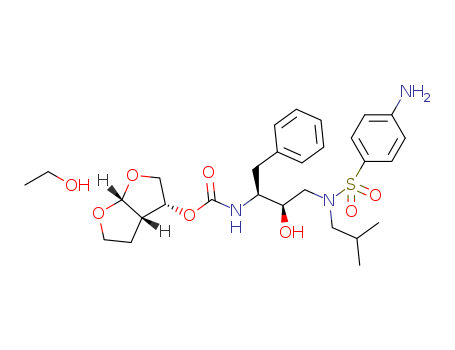
HIV protease inhibitors are a class of antiretroviral drugs used in the treatment of HIV/AIDS. HIV protease is an enzyme crucial for the replication of the HIV virus, as it cleaves precursor polyproteins into functional proteins necessary for viral maturation and infectivity. Protease inhibitors bind to the active site of HIV protease, preventing it from cleaving viral polyproteins and thereby inhibiting the production of mature, infectious viral particles. This inhibition effectively reduces viral replication and slows down the progression of HIV infection. Protease inhibitors are typically used in combination with other antiretroviral drugs as part of highly active antiretroviral therapy (HAART). Common examples of HIV protease inhibitors include ritonavir, lopinavir, darunavir, and atazanavir. While effective in controlling HIV replication, these drugs can have side effects such as gastrointestinal issues, metabolic abnormalities (e.g., lipid and glucose metabolism disturbances), and potential drug interactions due to their inhibition of liver enzymes involved in drug metabolism.
- Structure
- Product name
- CAS No.
- Molecular formula
- Inquiry
Total:2 Page 1 of 1 1