10.1080/10610271003637087
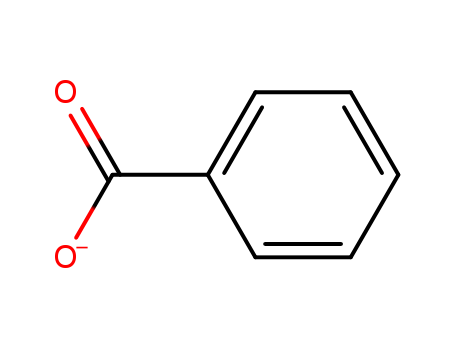
The research investigates the anion complexation and fluorescence properties of a series of carbazolylurea- and carbazolylthioureabased receptors synthesized by the researchers. The purpose of the study is to explore the potential of these compounds as selective anion receptors and fluorescent sensors. The key chemicals used in the research include carbazolylurea and carbazolylthioureabased compounds, tetrabutylammonium salts of various anions (such as benzoate, acetate, chloride, and dihydrogen phosphate), and solvents like DMSO and water. The study found that the urea compounds showed selectivity for oxo-anion complexation over chloride, with compound 1 selectively quenched by benzoate anions in DMSO/0.5% water. In contrast, the thiourea compounds exhibited reduced anion affinities compared to their urea analogues. The research concludes that carbazole ureas are effective hosts for oxo-anions and can function as selective fluorescent sensors for certain anions, while thiourea-based analogues do not always possess higher affinities for anions than urea-based systems.
10.1016/j.tetlet.2018.03.066
The research aims to develop selective anion receptors that utilize weak C-H hydrogen bonds, with a focus on phosphinate receptors. Phosphinates are significant in nature due to their association with metabolic diseases and conditions like obesity, NASH, hypercholesterolemia, and diabetes. The researchers designed and synthesized three receptors (1, 2, and 3) that utilize both amide N-H and alpha C-H (Cα-H) to the carbonyl group, differing in the substituent group attached to the alpha carbon, which affects the polarity of the CαH bond and thus the strength of association with anion guests. The study concluded that host 3, with a positively charged pyridinium group, showed the highest binding affinity due to the increased polarity of the Cα-H bond, demonstrating the importance of C-H hydrogen bonding as a modulating element for anionic recognition. Key chemicals used in the synthesis include 1,2-phenylenediamine, acetic acid, cyanoacetic acid, chloroacetyl chloride, pyridine, and various anions for testing, such as dimethyl phosphinate, benzoate, nitrite, and others.