10.1016/j.bmc.2014.03.007
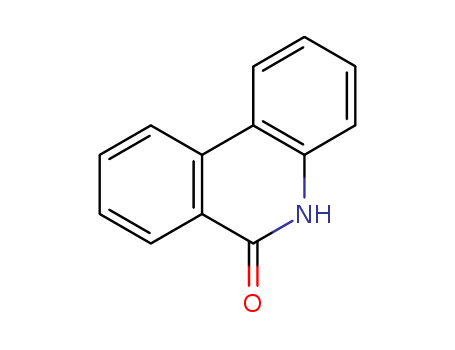
The research focused on the development of selective inverse agonists for the retinoic acid receptor-related orphan receptor gamma (RORc) using a phenanthridin-6(5H)-one skeleton, with the aim of addressing autoimmune diseases and type 2 diabetes. The study identified a novel ROR ligand through screening a liver X receptor (LXR) ligand library, leading to the discovery of compound 1 as a weak inverse agonist. Subsequent structure-activity relationship (SAR) studies resulted in the optimization of several compounds, including the lead compound 2h and the highly potent RORc-selective inverse agonist 5b, which demonstrated significant selectivity and lacked LXR agonistic activity. Key chemicals involved in the synthesis included hexa?uoroacetone, various anilines, and phenanthridin-6(5H)-one derivatives, which were synthesized through multiple steps involving condensation, cyclization, and substitution reactions. The findings suggest that these compounds could serve as valuable tools for further elucidation of RORc functions and potential therapeutic agents for related diseases.