10.1016/j.bmcl.2008.10.088
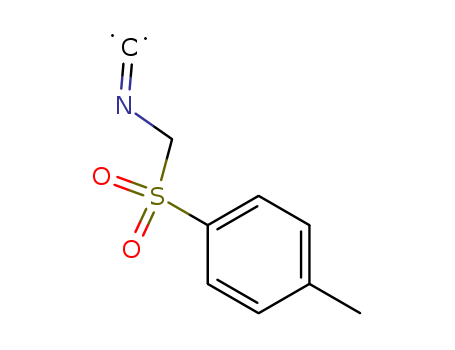
The study investigates the structure–activity relationships (SAR) of 3-substituted N-benzhydryl-nortropane analogs as potential nociceptin receptor (NOP) ligands for treating cough. NOP, also known as ORL-1, is an orphan opioid receptor involved in various physiological processes, including cough mediation. The researchers synthesized a series of 3-axial-aminomethyl-N-benzhydryl-nortropane analogs and explored their binding affinity and selectivity for NOP over classic opioid receptors like MOP. Key chemicals involved include tropinone, which was demethylated and alkylated to form a ketone intermediate, and tosylmethyl isocyanide used in the transformation to a nitrile intermediate. The nitriles were further modified to aminomethyl or substituted aminomethyl groups using lithium aluminum hydride (LAH) and other reagents. The synthesized compounds were tested for their binding affinity at the cloned human nociceptin receptor and their functional activities. Compound 18 showed potent NOP binding affinity with a Ki of 6 nM and superior selectivity over MOP binding. Selected compounds demonstrated good DMPK profiles and potent oral antitussive activity in a guinea pig model, with compound 21 showing an ED50 of 0.19 mg/kg at 2 hours. The study highlights the potential of these analogs as novel therapeutic agents for cough management with improved side effect profiles compared to traditional opioid-based antitussives.
10.1016/j.ejmech.2016.06.014
The research focuses on the synthesis and antimicrobial activity of a novel class of mono and bis heterocycles, including styryl, pyrrolyl, and pyrazolyl sulfonylmethyl-1,3,4-oxadiazolyl/thiadiazolyl amines. The study utilizes Z-styrylsulfonylacetic acid as a synthetic intermediate and employs various synthetic methodologies to prepare these compounds. The antimicrobial activity of these synthesized compounds was then evaluated against different bacterial and fungal strains. The reactants used in the synthesis encompass semicarbazide, thiosemicarbazide, POCl3, tosylmethyl isocyanide, sodium hydride, diazomethane, and chloranil, among others. The synthesized compounds were characterized using techniques like infrared (IR) spectroscopy, nuclear magnetic resonance (NMR), high-resolution mass spectrometry, and elemental analysis. The antimicrobial activity was assessed using the agar well diffusion method and broth dilution test to determine the minimum inhibitory concentration (MIC), minimum bactericidal concentration (MBC), and minimum fungicidal concentration (MFC). The findings revealed that mono heterocyclic compounds, particularly 5-(4-chlorostyrylsulfonylmethyl)-1,3,4-thiadiazol-2-amine (5c), exhibited superior antimicrobial activity against certain bacteria and fungi compared to the bis heterocyclic systems.


 T,
T,  Xi
Xi


