10.1016/j.tetlet.2009.01.062
The research aims to develop a synthetic route for these specific isotopically labeled glutamic acids with high enantioselectivity for metabolic analysis. The study employs key chemicals such as [2-13C] glycine, β-alanine, lithium aluminum deuteride (LiAlD4), and the (S,S)-Et-DuPHOS-Rh catalyst. The synthesis involves the preparation of a stable isotope-labeled dehydroornithine derivative through the Horner–Wadsworth–Emmons reaction, followed by asymmetric hydrogenation or deuteration using the (S,S)-Et-DuPHOS-Rh catalyst. Ruthenium-catalyzed oxidation is then used to convert the intermediate to the target glutamic acids. The enantiopurity of the final products is confirmed to be 99% ee by HPLC analysis. The research concludes that the asymmetric synthesis of (2S,3R)- and (2S,3S)-[2-13C;3-2H] glutamic acids has been successfully achieved with high enantioselectivity, and modifications to this procedure for synthesizing other labeled amino acids are underway.
10.1021/acs.oprd.6b00059
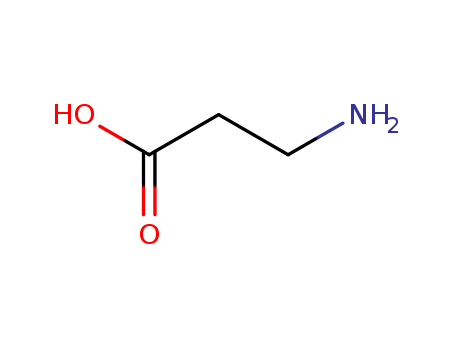
The study presents an efficient chemoenzymatic synthesis route for coenzyme A (CoASH) and its disulfide, which is scalable to gram quantities using standard laboratory equipment. The key innovation is the use of pantethine, a disulfide derivative of pantetheine, as the biocatalytic precursor. This approach eliminates the need for a sulfhydryl protecting group and prevents sulfur oxidation by-products. The synthesis involves a five-step process starting from ?-alanine, yielding pantethine with a 76% overall yield. The three enzymes of the CoASH salvage pathway—pantetheine kinase (PanK), phosphopantetheine adenyltransferase (PPAT), and dephospho-coenzyme A kinase (DPCK)—are used to convert pantethine into CoA disulfide, a more stable form of the cofactor. The final product, CoA disulfide, can be reduced in situ to free CoASH for biochemical applications. The method avoids chromatography until the final step, facilitating scale-up, and the disulfide form of CoASH is more stable and valuable than the free thiol form.


 Xi
Xi


