Substituted benzene fungicide
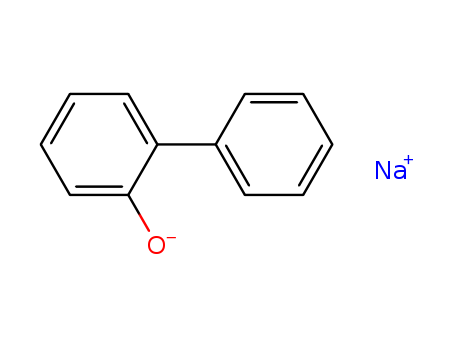
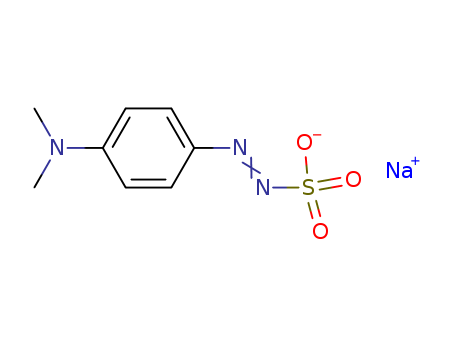
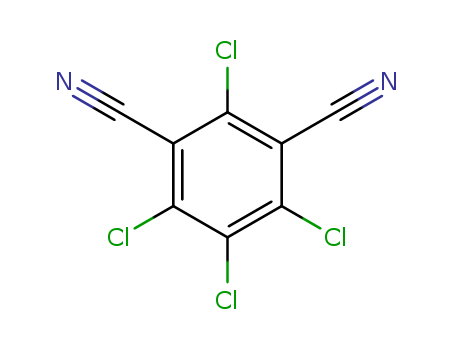
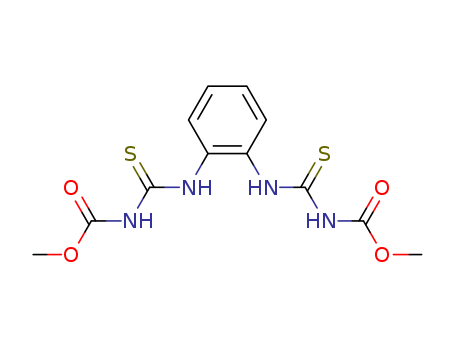
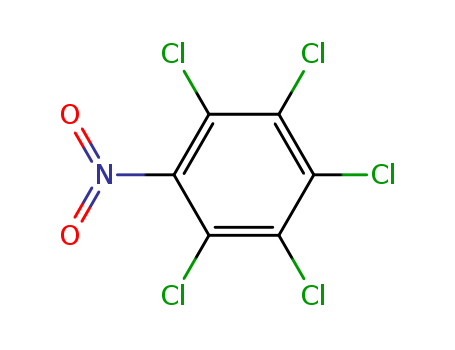
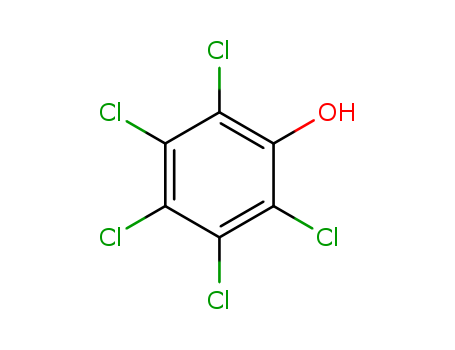
A substituted benzene fungicide is a chemical compound used to control fungal diseases in plants. These fungicides belong to the class of aromatic compounds where one or more hydrogen atoms on the benzene ring are substituted with functional groups that impart fungicidal properties. Substituted benzene fungicides work by disrupting fungal cell membranes, inhibiting enzymatic processes essential for fungal growth, or interfering with fungal metabolism. Common examples include benzimidazoles (e.g., thiophanate-methyl), which disrupt microtubule formation in fungi, and triazoles (e.g., tebuconazole), which inhibit ergosterol biosynthesis, a critical component of fungal cell membranes.
- Structure
- Product name
- CAS No.
- Molecular formula
- Inquiry
Total:6 Page 1 of 1 1