Refernces
10.1002/ardp.201100072
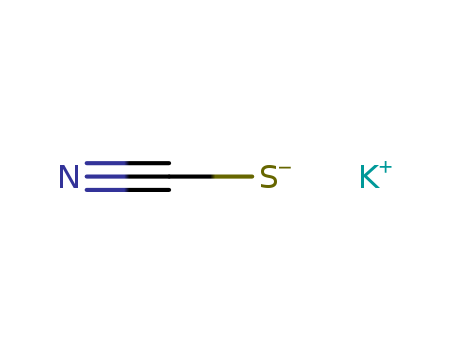
The research aims to develop a new and safer drug for tuberculosis by synthesizing and evaluating a series of fluoronitrobenzothiazolopyrazolines for their antitubercular activity. The study focuses on three subclasses of compounds: fluorobenzothiazolopyrazolines, fluoronitrobenzothiazolopyrazolines with the nitro group at the 5th position, and those with the nitro group at the 4th position. The compounds were tested for their in-vitro antitubercular activity against the Mycobacterium tuberculosis H37Rv strain using Middlebrook 7H-9 broth. The results showed that the introduction of a nitro group at the 5th position of the benzothiazole ring significantly increased antitubercular activity, while the introduction at the 4th position decreased it. Electron-donating substituents in the aromatic ring also enhanced activity. Selected compounds were further tested for cytotoxicity on THP-1 cell lines, showing low cytotoxicity compared to their antitubercular activity. Key chemicals used in the synthesis include 4-fluoro-3-chloroaniline, potassium thiocyanate, hydrazine hydrate, acetic anhydride, nitric acid, sulfuric acid, and various aromatic aldehydes. The study concludes that fluoronitrobenzothiazolopyrazolines with specific substituents show promising antitubercular activity and could serve as potential candidates for further drug development.
10.1016/S0022-328X(99)00709-3
The study in the Journal of Organometallic Chemistry focuses on the direct nucleophilic displacement of halides (chlorine or iodine) in compounds with the formula (Me3Si)3CSiRRX, where R and R represent various organic groups. The researchers investigated the reactions of these compounds with nucleophiles such as KOCN, KSCN, KCN, or NaN3 in different solvents like CH3CN, MeOH, and DMSO, or CH3CN mixed with H2O. The study explores the influence of steric hindrance on the reactivity of silicon centers bearing the bulky trisyl group (Tsi). It was found that by reducing the steric hindrance or using linear nucleophiles, direct bimolecular displacement reactions occur without the observation of rearrangement. The study also successfully synthesized new compounds with different groups and examined their reactivity with the mentioned nucleophiles, providing insights into the ease of reactions on silicon centers bearing the bulky trisyl group.
10.3987/COM-00-8954
The study focuses on the synthesis of various 2-alkylthio-4-oxo-3,4-dihydroquinazolines and their hetero analogues using N-chloroacetylanthranilic acid ethyl ester and potassium thiocyanate as primary reactants. The research demonstrates that N-chloroacetylanthranilic acid ethyl ester reacts with potassium thiocyanate in the presence of different solvents (such as alcohol and water) to produce (4-oxo-3,4-dihydroquinazolin-2-ylsulfanyl)acetic acid derivatives and other related compounds. The study also explores the reaction conditions that lead to the formation of various substitution patterns and pharmacologically active thieno- and imidazo-heterocycles. The chemicals used, including N-chloroacetylanthranilic acid ethyl ester, potassium thiocyanate, and various amines, played crucial roles in facilitating the synthesis of the targeted quinazoline derivatives and their derivatives, highlighting their potential in medicinal chemistry.


 Xn,
Xn,  Xi
Xi


