Refernces
10.1021/jo801187z
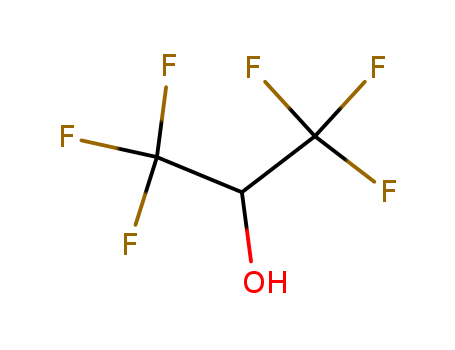
The research focuses on the functionalization of the methylene bridges of the calix[6]arene scaffold, aiming to develop a versatile method for the introduction of substituents at all of the methylene groups of the calix[6]arene framework. The study successfully replaced bromine atoms of the hexabromo calixarene derivative with various nucleophiles under SN1 conditions, yielding calix[6]arene derivatives with identical functionalities at all bridges. Key chemicals used in the process include primary and secondary alcohols, hexafluoroisopropanol (HFIP), hexafluoroacetone, sodium azide, aniline, acetic acid, and 2,4-pentanedione. The reactions proceeded with high diastereoselectivity, predominantly yielding the rc5 (all-cis) form, and the resulting calix[6]arene derivatives exhibited a "pinched cone" conformation with 3-fold symmetry. The introduction of substituents at the bridges was found to rigidify the calix[6]arene scaffold, which could be beneficial for preorganization in various applications. The study concluded that a wide array of nucleophiles could be used for this functionalization, and the reactions were generally cleaner compared to those involving tetrabromo derivatives, with fewer side reactions observed.
10.3390/molecules25153464
The research describes a novel methodology for the synthesis of substituted tetrahydrofurans, which are structures found in a variety of bioactive natural compounds and of interest in pharmaceutical research. The process involves the reaction of electron-rich alkenes with epoxides, mediated by the fluorinated alcohol 1,1,1,3,3,3-hexafluoroisopropanol (HFIP), serving as both a solvent and a promoter. This catalyst-free approach affords the corresponding tetrahydrofurans in moderate yields under mild reaction conditions. The study successfully synthesized not only densely substituted furans but also spiro and polycyclic compounds containing the furan moiety. Preliminary mechanistic studies suggest that the reaction mechanism may be either a purely ionic pathway (SN1-type) or an SN2-like mechanism, depending on the nucleophilicity of the alkene used. The chemicals used in the process include various epoxides and electron-rich alkenes, with HFIP being the key fluorinated alcohol promoter. The research concludes that this methodology is environmentally benign due to its perfect atom economy and the ready availability of reactants from simple raw materials like alkenes with minimal manipulation.
10.1002/chem.201300469
This study investigates a novel method for synthesizing allylic amines through the vinylation of N-alkyl-a,a-dichloroaldimines using terminal alkynes. The reaction is mediated by Lewis acids such as In(OTf)3 or BF3·OEt2, with hexafluoroisopropanol (HFIP) as an additive. The terminal alkynes serve as the source of the vinyl residue, while the N-alkyl moiety of the imine acts as a sacrificial hydrogen donor, facilitating the transfer of the vinyl group. This approach yields geometrically pure allylic b,b-dichloroamines and is notable for not requiring external toxic or hazardous reducing agents. The study explores the optimization of reaction conditions, the scope of the reaction with various imines and alkynes, and provides mechanistic insights supported by experimental data and DFT calculations.
10.1021/jo300169k
The study investigates oxidative 1,2- and 1,3-alkyl shift processes mediated by hypervalent iodine reagents, specifically focusing on simple and inexpensive phenol derivatives. These transpositions enable the rapid redesign of the main aromatic skeleton to generate highly functionalized scaffolds containing a prochiral dienone system, a quaternary carbon center connected to as many as four sp2 centers, and a carbonyl functionality or precursor. The researchers used iodobenzene diacetate (DIB) as the hypervalent iodine reagent, and solvents such as hexafluoroisopropyl alcohol (HFIP) to stabilize the phenoxonium ion intermediates. The study demonstrates an efficient enantioselective version of this process, resulting in the formation of a challenging quaternary carbon center. The products represent the central cores of several natural products with important bioactivities. The study also includes the rapid synthesis of several functionalized polycyclic systems and a formal synthesis of acetylaspidoalbidine, a hexacyclic alkaloid belonging to the Aspidosperma family.
10.1021/jm201332p
The study focuses on the design of inhibitors for β-amyloid (Aβ) aggregation, a key process in Alzheimer's disease (AD). Researchers developed a substituted peptide, [Nle35, D-Pro37]Aβ42, using molecular dynamics simulations to stabilize Aβ structures suitable for NMR analysis. This peptide was found to stabilize Aβ trimers, prevent mature fibril and β-sheet formation, and reduce aggregation when mixed with wild-type Aβ42. Furthermore, a small molecule lead compound was identified through ligand-based drug design, showing similar inhibitory effects to the peptide. The study demonstrates the potential of using molecular dynamics simulation to guide experiments aimed at understanding AD and developing therapeutics.
10.1021/jo5025464
The research focuses on the development of a general method for the preparation of active esters through palladium-catalyzed alkoxycarbonylation of aryl bromides. The study explores the use of various oxygen nucleophiles, including N-hydroxysuccinimide (NHS), pentafluorophenol (PFP), hexafluoroisopropanol (HFP), 4-nitrophenol, and N-hydroxyphthalimide, to synthesize active esters with high functional group tolerance and good to excellent isolated yields. The methodology was further extended to access a synthetic precursor to the HIV-protease inhibitor, saquinavir. The experiments involved the use of a Pd catalyst, ligands, and carbon monoxide (CO) under specific conditions to achieve the desired transformations. The analyses used to characterize the products included 1H NMR, 13C NMR, 19F NMR, and HRMS, providing detailed spectral data to confirm the structures of the synthesized active esters.


 C,
C,  Xi
Xi


