GluR antagonist
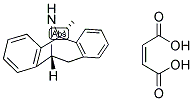
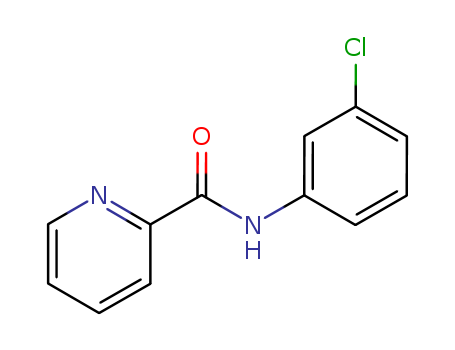
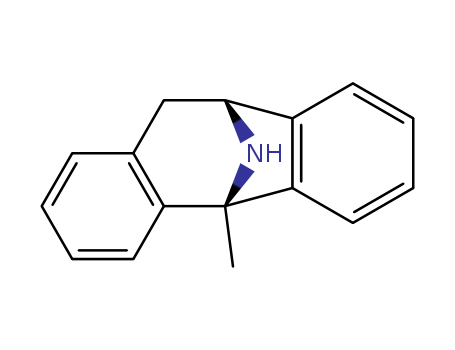
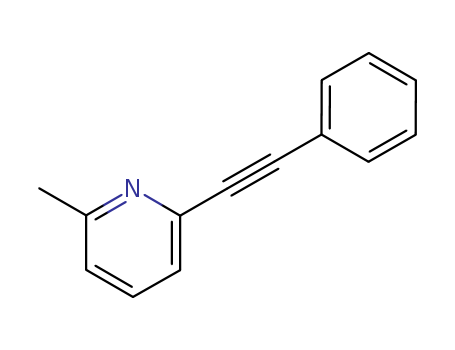
A GluR antagonist is a pharmacological agent that blocks the action of glutamate by binding to and inhibiting ionotropic glutamate receptors (GluRs) in the nervous system. Glutamate receptors, including AMPA receptors, NMDA receptors, and kainate receptors, are essential for synaptic transmission and neuronal excitability. Antagonists prevent glutamate from binding to these receptors, thereby blocking the influx of ions like calcium and sodium into neurons and reducing excitatory neurotransmission. This blockade can lead to various physiological effects, including reduced neuronal activity and modulation of synaptic plasticity. GluR antagonists have important therapeutic implications in neurology and psychiatry, where they are studied for their potential in treating conditions such as epilepsy, stroke, neurodegenerative diseases, and psychiatric disorders characterized by excessive glutamatergic activity. Examples include NMDA receptor antagonists like memantine, used in Alzheimer's disease, and AMPA receptor antagonists like perampanel, used in epilepsy management.
- Structure
- Product name
- CAS No.
- Molecular formula
- Inquiry
Total:5 Page 1 of 1 1