Urea herbicides
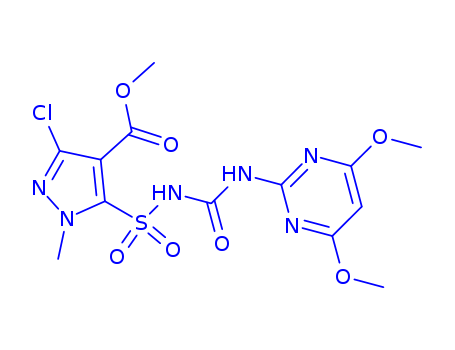
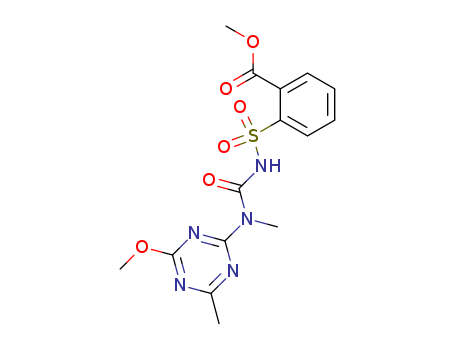
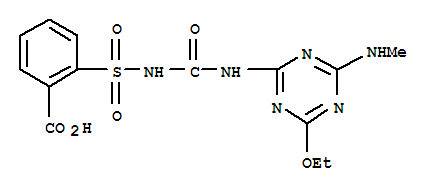
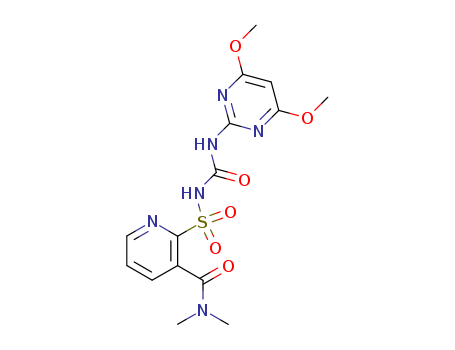
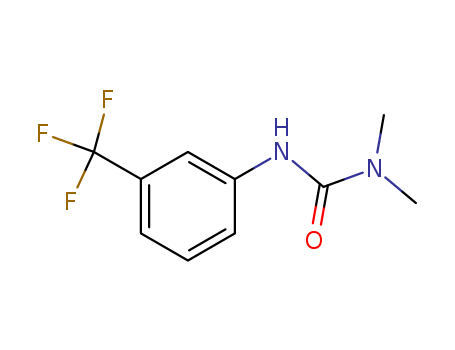
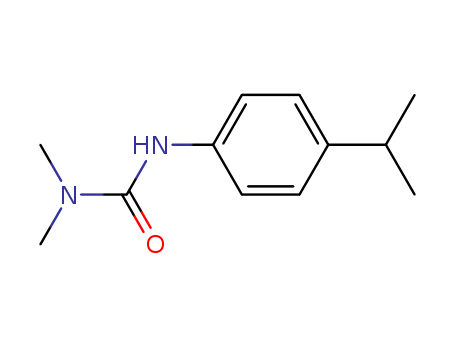
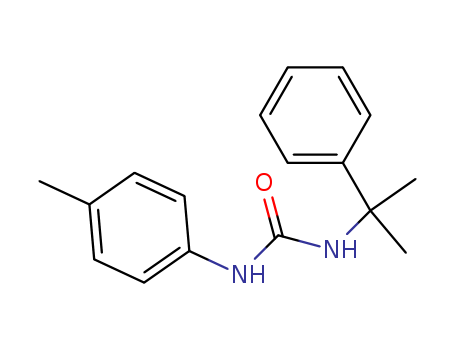
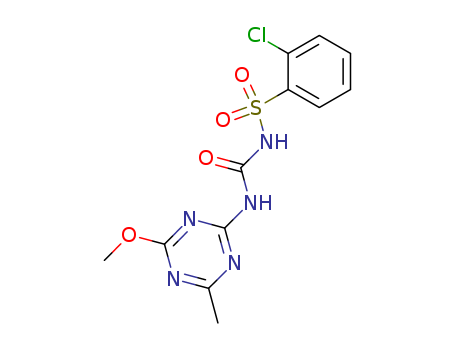
Urea herbicides are a category of chemical compounds that utilize urea as a central component in their herbicidal formulations. These herbicides work by inhibiting the enzyme acetolactate synthase (ALS) or acetohydroxy acid synthase (AHAS), which is crucial for the biosynthesis of branched-chain amino acids in plants. By disrupting this pathway, urea herbicides interfere with protein synthesis and cell division, ultimately leading to the death of targeted plants. Urea herbicides are often applied to control both grassy and broadleaf weeds in agricultural and non-crop environments. Examples of urea herbicides include bromacil and diuron. Their effectiveness, relatively low toxicity to mammals, and ability to control a broad spectrum of weeds make urea herbicides widely used in agriculture, horticulture, and forestry.
- Structure
- Product name
- CAS No.
- Molecular formula
- Inquiry
Total:32 Page 1 of 1 1
![Methyl 4-iodo-2-[3-(4-methoxy-6-methyl-1,3,5-triazin-2-yl)ureidosulfonyl]benzoate sodium salt](http://file1.lookchem.com/cas/reactions/2021/09/23/11322253.png)
![1-(4,6-dimethoxypyrimidin-2-yl)-3-[3-(2,2,2-trifluoroethoxy)-2-pyridylsulfonyl]urea](http://www.lookchem.com/300w/2010/0618/145099-21-4.jpg)






![2-[[[[(4-Methoxy-6-methyl-1,3,5-triazin-2-yl)amino]carbonyl]amino]sulfonyl]benzoic acid methyl ester](http://file1.lookchem.com/cas/reactions/2021/06/30/587472.png)